

You’re somewhere in the middle of your training block. The paces that felt manageable two weeks ago now feel like you’re running through wet cement. You’re dreading runs you used to love. You’re tired in a way that sleep doesn’t seem to fix.
Sound familiar?

Training fatigue is one of the most common and most mishandled parts of building towards a marathon or half-marathon.
The training process is designed to stress the body, break it down, and allow it to rebuild stronger.
The problem is that the line between productive stress and too much stress is easy to cross, especially when things are going well, and you’re excited to do more.
Here’s what’s actually happening, how to tell which type of fatigue you’re dealing with, and exactly what to do about it.
Warning Signs of Running Fatigue
Your body communicates when it’s being pushed too hard, if you know what to listen for. These symptoms can indicate either overreaching (short-term) or overtraining (long-term and more serious).
- Elevated resting heart rate
- Legs that feel heavy on every run, not just after hard sessions
- Persistent fatigue that doesn’t improve after a rest day
- Appetite suppression or unusual cravings
- Mood swings, irritability, or increased anxiety
- Poor sleep, particularly around 3-,4 am and being unable to fall back asleep
- Decreased motivation or dreading workouts you’d normally enjoy
- Amenorrhea in women, the loss of period for three or more months, is a serious sign, and you should connect with your doctor
Part of what we need to figure out is if you’re overtraining or just hitting some peak training. So let’s dive into the rest of the details.
8 Ways to Overcome Running Fatigue
Let’s take a look at some of the more common ways to overcome running fatigue. Go through the list in order to help address the most important thing first: what’s causing the fatigue.
#1 Find the Root Cause
Before you change anything, figure out what created the fatigue in the first place. These are the most common culprits, and most have easy fixes once you identify them:
- Did you jump your mileage too quickly?
- Are you drinking water, but skipping electrolytes?
- Are you spending enough time on recovery (which is not just rest).
- Are you eating enough to support your activities?
- Are you taking easy days truly easy?
- Do you perhaps have low iron or low vitamin D?
- Has this been going on long enough that you’ve compromised your hormones or your immune system?
- Are you stressed out in the rest of your daily life? Cause that impacts your runs!

#2 Determine if it’s Overtraining or Grown Fatigue
One of the most fascinating things about switching to Low Heart Rate Training was the drastic drop in fatigue.
There’s a massive difference between the fatigue you feel hitting those final miles of your longest run in ages (or ever) and the everyday “oh my gosh, I don’t want to get out of bed, I can’t possibly run” feelings.
- Overtraining is a constant fatigue and you usually know if you’ve brought it on by really going much harder, running much longer or adding in a lot of new things lately.
- Growth fatigue is that muscle soreness which you absolutely notice, but doesn’t leave your whole brain and body feeling run down for weeks on end.
Remember that you don’t need to run the full distance before your race. Doing so is a great way to cause this fatigue.
Find out how far your longest marathon run should be.

#3 Ensure Easy Runs are Easy Enough
This is one of the most common causes of accumulated fatigue we see among the runners we coach.
They run easy days at moderate effort because it doesn’t feel that slow. But the 80/20 rule (80% of runs genuinely at easy effort) exists for a reason.
I know 8 min/mile marathon runners who do easy runs at an 11-minute pace some days. It’s all about listening to their bodies and not their watches!!
In fact, all those Kenyans we see winning races do 80% of their training at a very EASY level.
Stop chasing pace on easy days. Instead, use the perceived level of exertion and aim for a 3-4 out of 10.
That means running at a fully conversational effort. You could keep up a conversation without gasping for air. If you can’t do this, you’re going too hard.
This is another area where low heart rate has helped a LOT of runners that we coach start to really pay attention to their bodies. 
#4 Prioritize Sleep Like it’s a Training Session
One of the best tools we have for recovery is completely free: sleep. We’ve talked a ton about how to get more sleep as a runner and why we need it (not like 5 hours, but possibly 9), but a quick reminder.
- Go to bed and wake at the same time daily, even on weekends
- Keep your room cool and dark
- Avoid screens 30-60 mins before bed
- 20-30 min naps during heavy training weeks are legit recovery tools
“The stress of hard physical training breaks us down, and it is only when we follow stress with rest that adaptation and growth occurs.
This is especially true with sleeping, which is a catalyst for physical growth. Just as the brain is actively processing the work we’ve done throughout the day, when we sleep, the body is doing the same.”
― Peak Performance
#5 Get Blood Work Check Up
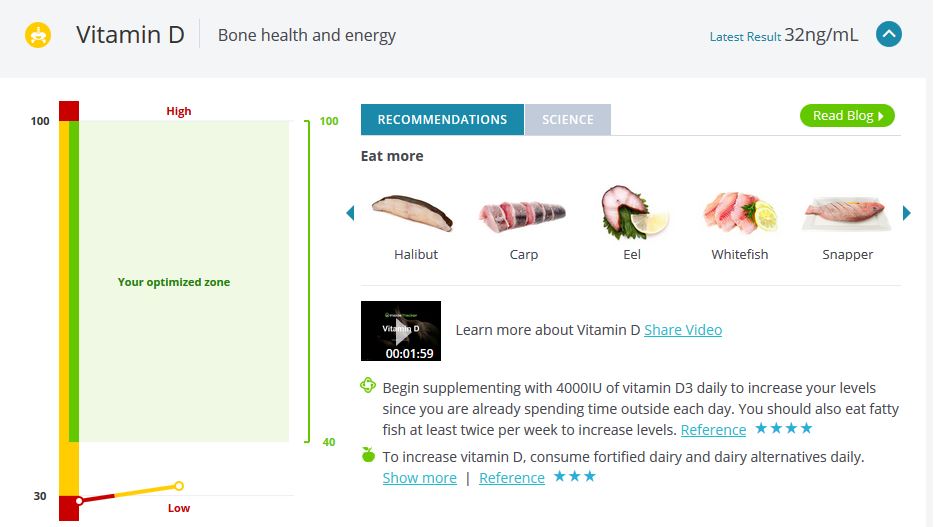
A blood test can quickly identify whether you need more iron (super common) or are low on Vitamin D (yes, even with being outside nonstop, my body runs low). These are crazy simple fixes that have people feeling a million times better within a week.
While you can absolutely go to your primary doctor, I have found that many of them are resistant to ordering all the tests we need and instead simply tell people to rest.
That doesn’t work for runners.
Checkout the key vitamins athletes need to perform their best.
#6 Follow Your Training Plan, Especially Cutback Weeks
When it calls for a cutback week, are you taking that time to let your body absorb the training? Or are you nervous that you’re not making progress and that you’re pushing yourself to do more than the schedule allows?
In other words, are you questioning that very well thought-out plan? Do you maybe need a coach who is going to keep you on track so you don’t overdo it one week and underperform the next?
We do offer 1-1 coaching and custom training plans to help you with these issues!
#7 Determine if Goals Still Excite You
We often pick out races up to a year in advance because of the crazy new lottery systems or simply life planning. We don’t know about you, but we’re often surprised by how things change from month to month, let alone how we’ll be feeling in a year!!
The idea of that far-off marathon might not seem quite as appealing when life is suddenly handing you extra-long work weeks or sick kids, or well, you’re just having a whole lot more fun running with your friends than chasing a clock.
It’s ok to be honest and realize that your goal has changed. BUT if it hasn’t and you’re fatigued, then get to digging!
#8 Stay on Top Of Inflammation
We’ve mentioned turmeric so many times now that we realized we should maybe explain it a bit more! We know it sounds like another new age thing because you see these turmeric lattes floating around, but we’ve got some serious science here.
- Turmeric pills
- CBD for runners
- Monthly massage to help with the muscles and just stress – this has long been key for me
- Sports Chiropractor for alignment issues
- Eating anti-inflammatory foods
- Sleep – yup, fights inflammation
If you’re in the midst of marathon training burnout, read this post.
But if it’s just that never-ending feeling of tiredness, then I hope that this post gives you some ideas to deal with running fatigue!!



 CBD for Runners: Pain Relief, Mood, Athletic Performance
I think my current reason is drinking all the water but no electrolytes. I’m going to now click on the electrolytes link and see where that leads me!!! 😊
It seems like I hit a fatigue slump near the middle of every training plan I do. When you’re feeling exhausted from tough training, it can be very helpful to understand the different types of fatigue, which will help you determine whether to keep going as planned or take an extra day off: https://runningmybestlife.com/appreciate-the-training-process/
Great article! I think meditation can help to know what caused oneself fatigue. Just try to be still breathe in and out, close your eyes, examine your body listen to it. Does it need rest? sleep? eat healthy? more water? Do some yoga poses and find what poses are hard for you and start doing them more to gain more strength just be gentle with your body. For me after I’ve done my yoga i lay down on my Acupressure Mat to heal my body and to absorb all the positive energy of my workout.