

Power walking is an exercise technique that emphasizes speed and arm motion while walking. The goal is to move yourself faster than a normal walk and turn it in to a workout. It’s a great way to start your fitness journey, but is often overlooked and underestimated. It’s one of the fundamentals we use to get many people running with ease!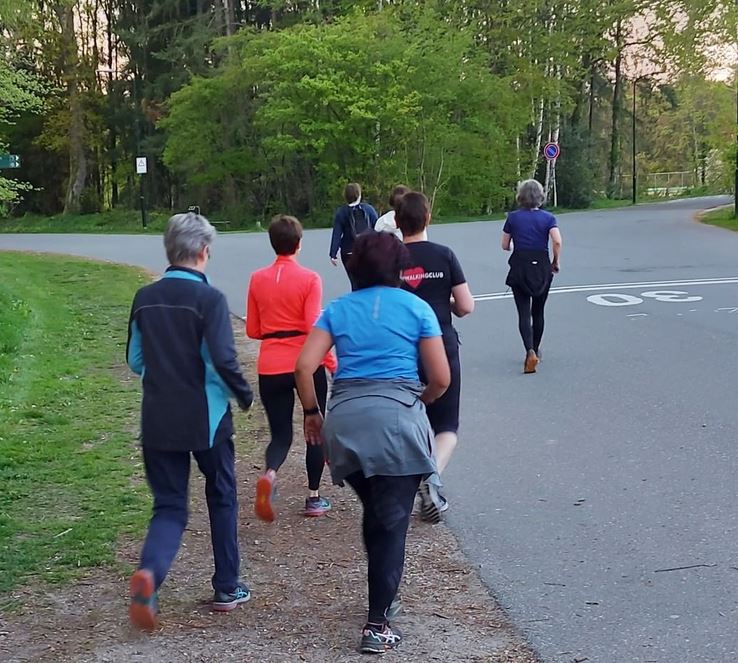
Truly, power walking is an incredible way to get back to running again after a long time off or simply enjoy all the benefits of walking. I walk daily because it’s a great stress reliever and breaks up a day of sitting!
It’s a great low-impact workout that gives you countless benefits, including increased endurance without a lot of stress on your body and joints.
But unlike taking a stroll, there’s a technique to power walking that you should learn to reap all the benefits.
In this article, you’ll learn what exactly power walking is, along with its benefits, techniques, and tips and tricks on how to get started along with a sample workout!
What Is Power Walking?
Power walking is the same form as regular walking, but at a faster pace and with more intensity. It’s not standing in place and walking, it’s truly heading out for a stroll and then pushing yourself to work just a bit harder than normal.
In other words, it’s faster than a regular walk, but slower than a jog.
I like to call it walking with purpose. Like you’ve got somewhere important to be!
Although power walking is a lot like walking faster, you need to learn specific methods to guarantee that you maintain the correct form and reach an optimal aerobic level.
It’s a great way to get into the world of running, or it can also be used as a full way of exercising on its own. In fact, some people even walk a marathon or walk a half marathon!
I define it for our athletes as walking a 15 minute mile or faster. Don’t get too hung up on that number, just start where you are and then see if you can go a bit faster on your next walk.
Ideally, I want runners to work up to 3 miles at a 15 minute pace before transitioning to run/walk.
As a result, with power walking strides per minute increase, and the upper body, notably the arms, are used more to propel the body forward.
When compared to regular walking, power walking is likely to cause a you to breathe harder and heart rate increase. It overall emphasizes speed and arm motion as a way of increasing health benefits from walking.
Is Power Walking Good for Weight Loss?
Yes. But not because you are in the “fat burning zone”.
In every workout you will use both carbs and fat for energy. Utilizing slightly more fat does not mean you are losing fat. The only way to lose fat is to build muscle and see a slight gap between the calories you expend and what you take in.
If weight loss is your focus then absolutely be sure to add strength training to your program. Combined with the power walking and increasing protein, it can work so well!
Is Power Walking the Same As Race Walking?
True race walking that you see in say the Olympics involves a lot of hip movement. If you’re really going at their 6 minute mile paces it also inadvertently affects your waistline. But we aren’t trying to get you to that level, just using a regular walk at a higher intensity to ramp up your fitness!!
Did you know that you could walk 5 miles in about 90 minutes or so? It’s a great goal to set if you decide to head out for some power walking.
There are a ton of benefits to power walking. And it might be the perfect way of working out for you, so let’s dive in to these and get you started.
Power Walking vs Regular Walking
Regular walking is a low-impact exercise that involves strolling at a leisurely pace, often for pleasure or transportation.
Power walking, on the other hand, is a more intensive activity that provides a greater cardiovascular workout and calorie-burning potential. Power walking also involves a greater range of motion and muscle engagement, making it a more effective way to tone and strengthen your lower body and core.
Another difference between power walking and regular walking is the mental aspect. Power walking requires more focus and concentration than regular walking, as you need to maintain proper form and pace to get the most out of the exercise.
This can be a great way to clear your mind and reduce stress, while also improving your physical health.
What Is Power Walking Good For? 11 Incredible Benefits of Power Walking
Power walking can do wonders for your overall health. Because it really can be a full body workout, since you’re working the leg muscles and also focusing on arm movements to increase the total exercise.
Here are some of the key benefits:
#1 Low Impact
Power walking raises your heart rate while being gentle on your joints and connective tissue.
And so, it’s a great option for anyone just getting into working out, or someone with weaker joints that are looking for a low-impact, but effective workout.
#2 Less Risk of Injuries
In comparison to running, there’s a substantially lower risk of injury with power walking. Therefore, if you’re currently recovering from an injury, just getting started again or even coming back after baby, you should try power walking.
#3 Burn Calories
If burning calories is on top of your to-do lists, then you’d be happy to know that you can burn just as many calories power walking as you can jogging if you use the correct technique. Trust me, power walking can get you into shape.
#4 Full Body Engagement
In order to power walk, you must move quickly and actively use your arms. To maximize the benefits of this exercise, you should walk quickly and move your feet from heel to toe with each step.
Maintain momentum by pumping your arms. Engage your core throughout the workout to increase strength and balance in your body. Power walking engages the entire body, increasing calorie burn and increasing heart rate.
#5 No Special Equipment is Necessary
It’s one of the easiest ways to work out. There’s no need for fancy kettlebells or weights here. All you need is a solid pair of shoes and the simple techniques involved in power walking.
I do not recommend walking with weights on the ankles. This an lead to shin splint and other injuries. If you want to wear a weighted vest, that can add intensity.
#6 Improves Overall Health
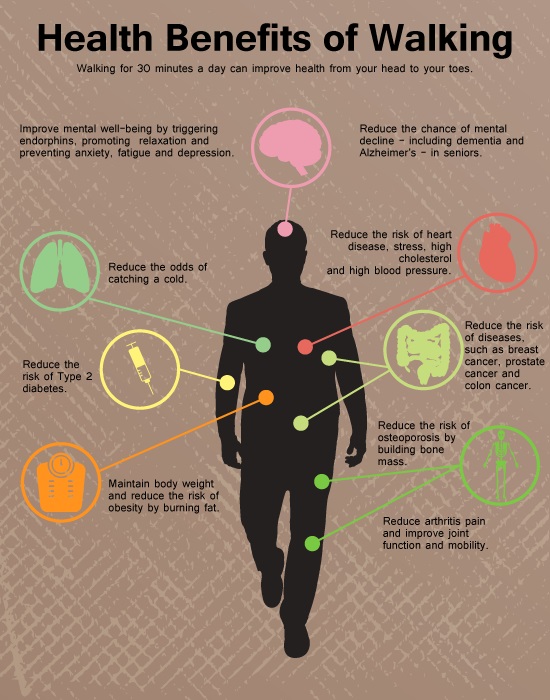
Studies show that power walking can help boost good cholesterol levels and decrease bad cholesterol levels, as well as assist lower high blood pressure.
As a result, walking can help reduce the risk of diseases such as type 2 diabetes, some forms of cancer, and strokes.
#7 Suitable for Everyone
Power walking is beneficial for people of all ages, sizes, and fitness levels, barring obvious disabilities or diseases. You select your terrain and pace based on your capabilities, but almost everyone can go for a power walk.
#7 Improves Joint Health
Your bones can also benefit from power walking.
A recent study published in the American Journal of Preventive Medicine discovered that an hour of moderate-intensity exercise each day, such as power walking, reduces disability in people with symptoms of joint problems in their lower extremities.
We know that it helps to lubricate the joints.
#8 Boosts Mental Health and Brain Function
Power walking is great for more than just your body.
According to research, brisk walking has a significant impact on your mental functioning, decision-making abilities, and memory, especially as you become older.
#9 Helps Relieve Stress and Anxiety
Power walking can help relieve tension by redirecting your focus and concentration away from stressful environments and situations.
Endorphins are neurotransmitters that are produced in the brain as a result of physical activity. These endorphins result in a more relaxed demeanor and a calmer state of mind and can help reduce symptoms of depression, anxiety, and low self-esteem.
Fortunately, we now have decades of research that also demonstrate that brisk walking reduces anxiety, depression, and low self-esteem.
#10 Boosts Immunity
Regular physical activity, including power walking, has been shown to boost your immune system and reduce your risk of getting sick. This activity stimulates the production of white blood cells, which help fight infection and disease.
This means that power walking can help you stay healthy and avoid common illnesses, such as colds and flu.
#11 More Social Interaction
Power walking is a low-impact exercise that can be done in groups or with friends. This provides an opportunity to connect with others who share similar interests and goals.
When you power walk with others, you can engage in conversation, share tips and advice, and motivate each other to keep going. Over time, these interactions can lead to lasting friendships.
Research has shown that social support can be a key factor in maintaining an exercise routine. When you have friends who are counting on you to show up for a power walking session, you are more likely to stick with it. This can help you achieve your fitness goals and improve your overall health.
How to Power Walk – Proper Power Walking Technique
The most important thing about power walking is learning the proper technique. (And of course consistency!)
Power walking engages many different muscles throughout your body. While we don’t often think of walking as a cause for injury, it’s just like any sport where you need to think about how you’re moving your body.
Here are some effective power walking form tips for you to follow in order to avoid injuries from bad form or overuse.
1. Focus on Good Posture
Maintaining a good posture is key when it comes to power walking.
Make sure to stand tall, with your head up and your shoulders back but relaxed. Pull your abs in tight and lift your chest.
2. Forward Arm Swing
Your arm swinging motion while power walking is really important. A good arm motion will help burn 5 to 10% more calories during your workout.
While power walking, bend your elbows at a 90-degree angle and keep them pulled in close to your body.
Move your arms straight forward and not diagonally as you walk but keep them low. Make fists with your hands, but keep them relaxed and not tight. All of this will also help to prevent hands from swelling while you walk
3. Planned Foot Strike
Your steps should be taken from heel to toe. Your heel strikes first, followed by your foot rolling through your toes.
In this motion, your foot will be landing in front of the body, which is different than our goal in running. Because of this you also need to ensure that your leg does not lock out. You want to keep a light bend in the knee, which is going to prevent you from hyperextending when you land with the heel.
Landing with that super straight leg is going to reduce power, but also will lead to knee pain over time.
4. Relaxed Hips
Preventing excessive hip rotation is important. Maintain a comfortable posture and move them forward rather than to the side. We aren’t sashaying or wiggling.
5. Maintain a Natural Stride
Don’t try to move faster by taking big steps or strides that are too long. Instead, think about pushing off your back foot when it’s on the ground to really engage your glutes.
Allow that to power you forward and then work on moving the legs faster, rather than bigger steps.
Ready to Get Started? Checkout Part 2: Power Walking Workout for more key tips >>
Can I Power Walk a Marathon?
Running is not the only way to finish a marathon.
If you want to walk the entire marathon, you can do so as long as you get there before the cut-off time. Not only will you not be disqualified from the race, but many of the marathons have made changes so that this is now possible.
I’ve written a complete guide on how to walk a marathon, which I’m sure is going to come in handy if you’re thinking of this fun goal. Not only will it help you train to walk a marathon, but it also shares helpful tips that will guarantee your success on race day!
Looking for more training tips?
- How Many Steps in A Mile Running Vs Walking
- Best Running Belts – great to carry hydration on your walks
- Common Causes of Knee Pain After Running
- Resting Heart Rate for Runners | Is My HR Too Low?
Other ways to connect with Amanda
Instagram Daily Fun: RunToTheFinish
Facebook Community Chatter: RunToTheFinish
Sign Up to Receive a Weekly Newsletter with Top Running Tips and Laugh



 Mastering the Cooldown After Running