

Creatine seems to be everywhere these days. It’s the supplement of choice for athletes, fitness enthusiasts, runners, and others.
Regardless of your sport or fitness pursuit of choice, these activities place demand on our bodies they otherwise may not experience. This can mean our bodies need additional support, be it through diet or supplements to ensure we stay healthy and get the results we’re looking for.
I know I’ve talked a lot about InsideTracker and how it’s helped me know what my body needs to perform better, be it iron or vitamins and other minerals.
We also know that our bodies need protein for muscle support and growth, carbohydrates for energy, and fats. We generally get these through nutritional sources.
But as I said, creatine is something that’s been gaining in popularity for some time. You might be wondering, “Do I need to be taking creatine?”
Well, I’m going to answer that question as well as more, including what is creatine? What are creatine’s benefits, especially for endurance and female athletes? How much creatine should you be taking? And, is it safe?
What is Creatine?
According to the Mayo Clinic, creatine is an amino acid. Our bodies actually have creatine in them naturally. It is found in our muscles and even our brains. It is produced by the liver.
Creatine helps muscles produce energy, specifically when lifting weights or performing high-intensity exercise. The most common type of creatine and the one most studied is creatine monohydrate. That’s the type you want to look for in any supplement you choose.
Athletes often supplement with creatine because it is linked to muscle gains. It can allow you to increase your workload leading to greater results in strength and mass.
Creatine also increases cell hydration, can reduce dehydration and subsequent injury risk, and has shown to help older adults with cognitive tasks and slow decline in muscle and bone density.
How Does Creatine Work?
I could go incredibly in-depth with this, which would make this article very long. However, I do think it’s important to have a decent understanding of how creatine works in the body so below is a short summary.
The key thing to keep in mind is what I said above, that creatine, particularly when you supplement, allows you to increase your workload, aka you can work harder for longer, and as a result, see greater gains than you may otherwise.
Let’s dig a little deeper though.
Creatine is integral in allowing us to sustain effort and energy. It helps with what’s called Adenosine Triphosphate (ATP), which provides energy and supports things like muscle contraction, nerve impulses, and more.
We only have so much ATP in our muscles. When you run out, you fatigue.
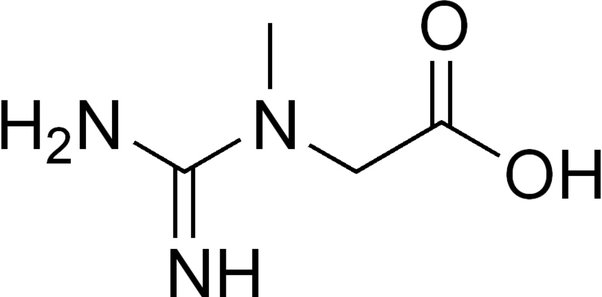
In our muscles, creatine pairs up with phosphate molecules to become phosphocreatine. Phosphocreatine helps you replenish ATP and as a result work harder and get faster or see greater muscle gains.
As mentioned, we only have a limited supply of ATP. We also only have a limited supply of creatine generated by our bodies and supplied by food. Once gone, again, fatigue becomes an issue.
Adequate rest between efforts allows phosphocreatine to regenerate. Impressively, this can happen in just a few minutes. This is where supplemental creatine can play an important role in allowing us to perform, rest briefly, and perform again.
8 Benefits of Creatine Supplementation for Runners
So why do athletes supplement with creatine? For the gains!
Ok, but in all seriousness, let’s talk about the effects of creatine supplementation.
I’ve said it a few times already, it is linked to energy production and lets us work harder, perform better. Additionally, we have a better chance of putting on muscle to increase our strength and improve body composition.
As a result we see great improvements in muscle, speed, power, and more.
In a review of studies of creatine effects, creatine supplementation increases how much creatine is in our muscles and as a result is linked to:
- Improved muscle recovery and reduced muscle soreness
- Injury prevention
- Thermoregulation
- Improved training tolerance
- Muscle mass gains
- Increased strength and power
- Increased performance
- Improved health while aging
In addition, studies have been done involving creatine supplementation and its benefits to those with health issues ranging from muscular dystrophies, Parkison’s and Huntington’s disease, and others.
More studies need to be done, but some have seen positive results.
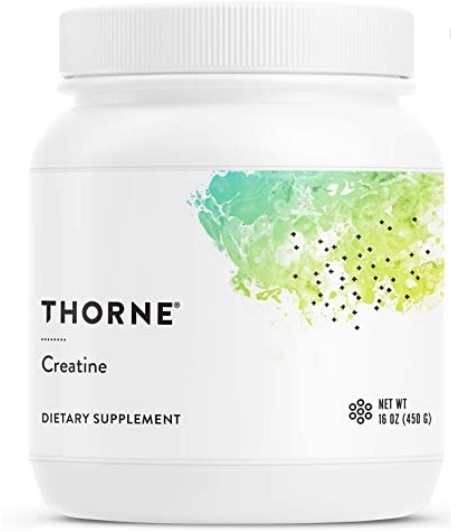
Remember that QUALITY is key. Thorne is a brand I myself use for supplements and recommend. Powders have no taste, so you can mix the tiny amount in anything.
Creatine and Endurance Athletes
We’ve talked a lot about how creatine benefits those who lift weights or do high-intensity workouts, which is often short in duration. Besides those doing HIIT workouts, sprinters and other power athletes also fall into this category.
But, running is or can be high intensity too. And for us long-distance runners, including those running marathons, we need energy to perform over long periods of time without hitting the dreaded wall.
So is creatine supplementation right for runners?
Well, part of being and staying a healthy runner means training. You know I highly encourage runners to cross train, specifically by adding strength work. I also suggest mixing up your running workouts between easy runs of varying distances and speed work, this is especially true for marathon runners.
So while creatine may not be something you take before a long distance run, it may be beneficial in supporting your cross training efforts and body composition goals.
Creatine for Women
While most research on creatine has involved males, the studies that have been done involving women have shown creatine can benefit female athletes. And as we coach at least 70% female runners, I wanted to ensure we touch on this specific side of creatine.
Females tend to have lower creatine stores than males in general. However, in a review of studies looking at creatine supplementation by women across different age groups, there appear to be positive impacts.
Studies have shown creatine to be effective in helping improve strength and performance in pre-menopausal females. For post-menopausal females, they see benefits in muscle size and function, as well as bone health. I’ll be honest, this was a piece that really caught my eye! We coach so many female runners over 50, that I am always looking for things that will help them feel their best.
Studies have also demonstrated positive effects related to mood and cognition.
One thing I want to address is that many women believe that creatine will cause you to gain weight, be bloated and retain water. Many of us probably feel we don’t need help in this area so we don’t want to risk increasing these issues.
However, in reviewing research, this doesn’t appear to be the case. While studies on both males and females show there initially may be water retention for the very near term (a few days), specifically in our muscles, over the short and long term, this doesn’t seem to be the case.
How Much Creatine Should You Take?
There are different types of creatine supplements, but the one most backed by research is creatine monohydrate.
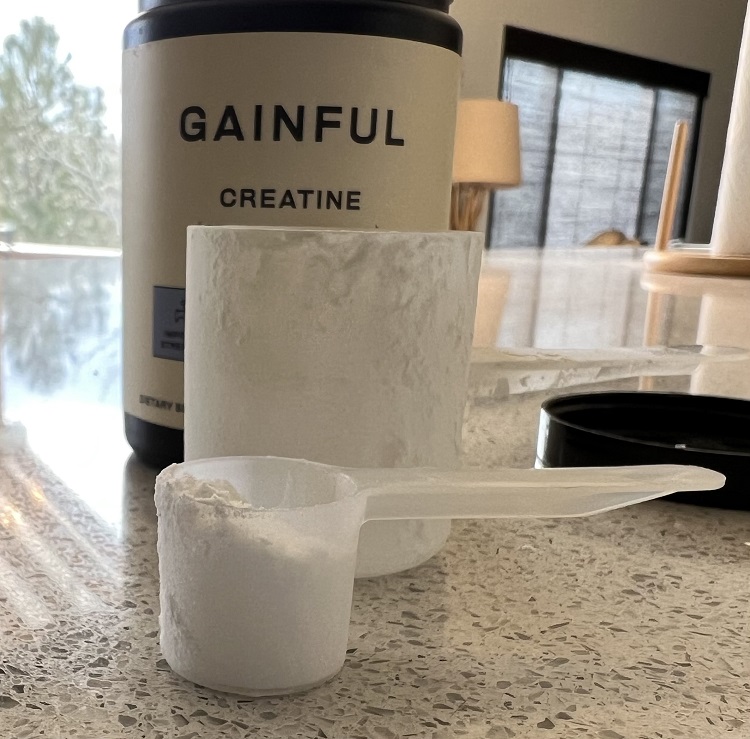
The general recommendation for creatine supplementation is a dosage of 3-5 grams per day. If desired, you can opt to be more precise and base your supplementation amount on your bodyweight with .1 grams of creatine per kilogram per day. Since results aren’t immediate, you may need to adjust after a few weeks to find an effective amount.
To give you a visual, here’s a protein powder scoop next to a creatine scoop of mine. It’s a very small amount.
You can take it in powdered form, pill or there are gummies. Pills need to be broken down in the digestive tract, so I just always went with powder.
You may have heard that doing a creatine loading phase where you take a much higher dose of creatine for the first few days before decreasing down to the normal recommended dose is required to see results. Studies are showing this isn’t necessarily true.
While incorporating a loading phase may speed up results, it is still possible to see results that include increased muscle creatine amounts, muscle size, and strength.
When to Take Creatine
You can take it any time of day, just be consistent. I always choose to take it prior to a workout because that’s when muscles are most ready to take in protein and carbs for recovery.
Another interesting thing to consider is supplementing creatine monohydrate with carbohydrates.
Studies have shown that ingesting creatine with protein and/or carbs may shorten the loading phase by increasing creatine absorption.
While the recommended loading phase is 5-7 days, studies show that only 2-3 days may be needed when taken with carbs or protein.
Dietary Sources of Creatine
Creatine can also be sourced from food, though it’s hard to get the volume you would with a supplement. Foods containing creatine include:
- Milk
- Beef
- Pork
- Poultry
- Tuna
- Salmon
- Cod
- Herring
As you can see, these are all animal products, which makes sense since creatine is found in muscle.
Does that mean there aren’t plant-based sources? No!
For vegetarians, dairy products like milk and cheese are good options. Eggs are another source. For vegans, foods like quinoa, beans, tofu, and nuts are beneficial. While these don’t contain creatine directly, they contain specific amino acids like glycine, methionine, and arginine, which our liver can synthesize into creatine.
Is Creatine Safe?
While creatine supplements, like many other supplements, are FDA cleared, they are considered safe. They are approved for use by the International Olympic Committee and the NCAA.
There are generally limited side effects from creatine supplementation like stomach upset and muscle cramping, but this tends to be when using higher doses.
It never hurts to touch base with your medical provider if you have any questions or if you are pregnant and have other health complications like diabetes, issues with your kidneys, or heart issues.
Looking for other tips?
- How to Eat for Endurance
- Best Supplements for Runners
- What Vitamins and Minerals Athletes Need More Of
- Best Protein Powders of All Types for Runners
Other ways to connect with Amanda
Instagram Daily Fun: RunToTheFinish
Facebook Community Chatter: RunToTheFinish
Sign Up to Receive a Weekly Newsletter with Top Running Tips and Laughs