
• Skip to main content
  • Skip to header right navigation
  • Skip to site footer
  • Home
  • About
  • Contact
  • New? Start Here
  • Facebook
  • Instagram
  • Pinterest
  • Twitter
  • YouTube
RunToTheFinish

RunToTheFinish

Online Running Coach | Running Shoe and Gear Reviews

  • Training
    • 5K Training
    • 10K Training
    • Half Marathon Training
    • Marathon Training
    • Low Heart Rate Training
    • Running Injuries
    • Sub Two Half Marathon Training
    • Nutrition for Runners
  • Shoe Reviews
    • Cushioned Running Shoes
    • Lightweight Running Shoes
    • Carbon Plated Running Shoes
    • Trail Running Shoes
    • Walking Shoes
  • Gear Reviews
    • Treadmill Reviews
    • Running Shoe Deals and Discounts
    • GPS Watches
    • Summer Running Gear
    • Winter Running Gear
    • Hydration Packs
  • Work Together
    • 1-1 Coaching
    • Online Running Group
    • All Courses
    • LHR Training Plans
    • RTTF Book
    • 30 Day Core
    • IT Band Solution
  • Podcast
  • Training
    • 5K Training
      • New Runner Tips
    • 10K Training
    • Half Marathon Training
    • Marathon Training
    • Low Heart Rate Training
  • Reviews
    • All Running Shoe Reviews
    • Cushioned Running Shoes
    • Lightweight Running Shoes
    • Carbon Plated Running Shoes
    • Trail Running Shoes
    • Walking Shoe Reviews
    • Running Gear Reviews
    • Treadmill Reviews
    • GPS Watch Reviews
    • Winter Running Gear
    • Summer Running Gear
    • Hydration Packs
  • Running Shoe Deals/Discounts
  • Work Together
    • Online Running Coach
    • Online Running Group
    • All Courses
    • Book
    • 30 Day Core
    • Ultimate IT Band Relief Guide
    • Low Heart Rate Training Plans
  • Running Injuries
  • All Articles
  • Facebook
  • Instagram
  • Pinterest
  • Twitter
  • YouTube
Home / Nutrition Guides for Runners

Decoding Your Running Gel: What Those Labels Really Mean

Last Updated on August 12, 2025 by Stacey Gross
We independently review everything we recommend. When you buy through our links, we may earn a commission.
No Comments

Ever feel like shopping for gels and run fuel requires knowing a secret language? You’re not alone. The options are endless with different brands, flavors, and labels full of sciency jargon. Let’s get a better understanding of gel labels so you know what you’re trying.
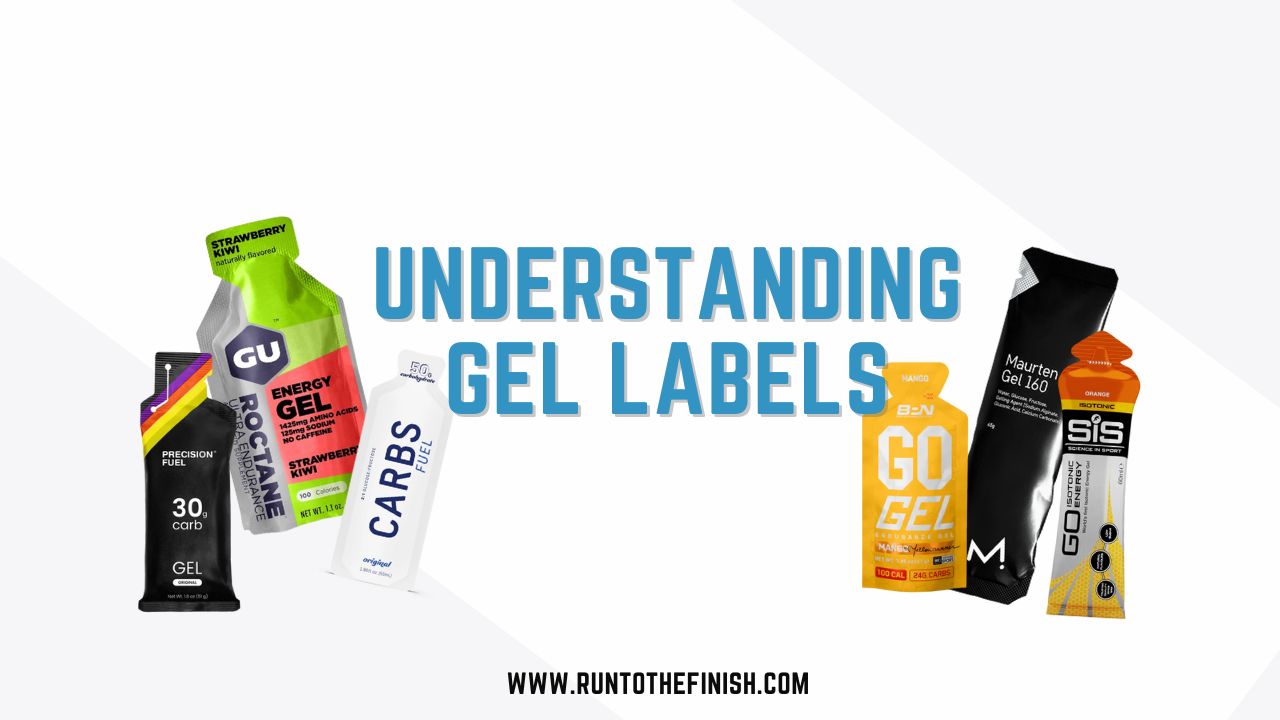
Understanding Gel Labels

Isotonic, hydrogels, sugar-free gels, different textures, and the list goes on. If our heads are spinning, we know yours probably are too.

But here’s the thing, skipping your fueling because you’re nervous to try a gel, or because the “best gel ever” from your favorite runfluencer wrecked your stomach, can hurt your performance more than any tricky label ever will.

That’s why we called in the expert. Kylee Van Horn joined us on the Tread Lightly Running Podcast to help decode the labels on your running gels.

You may recognize Kylee from the Your Diet Sucks podcast and owner of Fly Nutrition here in Colorado. She’s an endurance sports dietician who has worked with hundreds of endurance athletes to improve their performance, heal their relationship with food, and overcome GI issues.

Low Sugar Gels: What You Need to Know

Brands will use whatever marketing hook they can to get you to buy their gels. But just because it sounds good on the package doesn’t mean it’s the right choice for your run.

One of the most misleading? Low-sugar gels.

low sugar gel
image from @flynutrition3

On paper, sure, it sounds like a smart swap; it’s like grabbing a low-sugar snack. But when you’re training or racing, sugar is your best friend.

Sugar is a carbohydrate, and carbs are your body’s quickest, most efficient energy source on the run. 

Choosing a low-sugar gel means you’re getting fewer carbs, which can leave you feeling sluggish, bonking early, and even make you more prone to an injury.

Sugar’s gotten a bad reputation, but during a run it’s anything but bad, it can actually be a total game changer for your performance.

low sugar gel label
Styrkr Gel label

What’s used instead of sugar in these gels can be even worse for your stomach. Ingredients like Stevia, Maltodextrin, or anything ending in ‘-ol’ (like sorbitol) will not only have a weird texture but also overload your GI system.

And I don’t know about you, but I surely do not want to have to search for a bathroom mid-run.

So instead of looking at the ingredients to see if there’s sugar or not, ask yourself, is this going to help me with my running? If not, that might be your sign to try something else, especially if your goal is to get through 26.2 miles or nail those faster-paced workouts without hitting a wall.

We’ve said it before in other episodes, but this doesn’t mean your entire day needs to be filled with loads of sugar. This is specifically what your body needs to get through your run and workouts.

Need ideas for fueling? Check out this list of fueling alternatives for sensitive stomachs.

Which Gels are Easier on Your Gut

Just like running shoes, there’s no such thing as the perfect gel for everyone. The only way to know what works for you is to experiment.

Brands like Fuel Goods even sell sampler boxes so you can test a variety of flavors, textures, and brands you might not usually pick. Who knows, you might discover a new favorite that your stomach actually likes.

You don’t have to commit to just one gel for an entire training cycle or race. Kylee recommends keeping two options on hand; different flavors and even different textures can help fight flavor fatigue.

Want to try out some of our favorite fueling options? Coach Amanda has put together a few Fuel Goods sampler boxes, or you can put together your own. Make sure to use code RTTF10 when checking out.
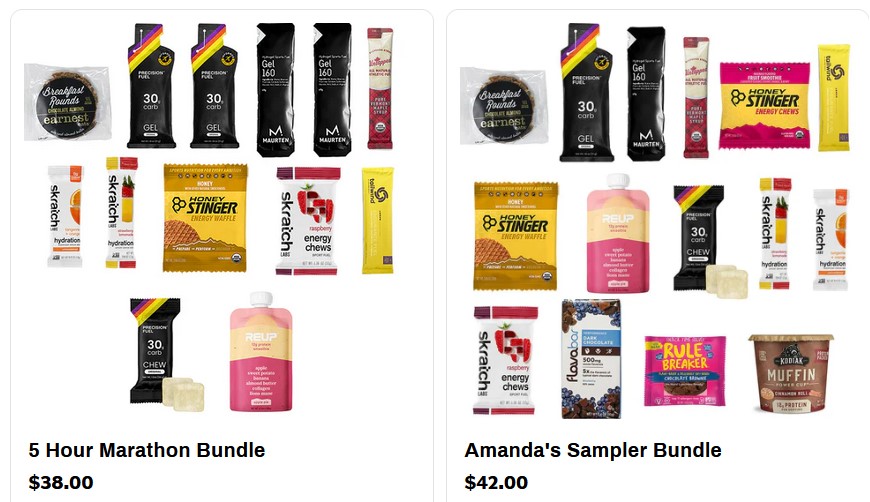
marathon fueling boxes

Your fueling plan is a puzzle. The gel you take is just one piece. Hydration, electrolytes, and what you eat beforehand all play a role in how your stomach feels on the run.

Many runners blame gels for GI issues, when the real culprit might be dehydration or even low sodium.

Most gels are designed to be taken with a few sips of water, which helps with absorption and reduces the likelihood of stomach upset. Skip that small drink, and you’re going to run into trouble.

If you’re a fan of caffeinated gels, don’t forget to check the label. Some may have 20mg of caffeine, others pack in 100mg. Everyone’s tolerance is different, and too much caffeine can wreak havoc on your gut.

The best time to experiment is throughout your training cycle. Try different gels, track how you feel during and after your runs. This will help you build a fueling plan that works for you before race day.

Preparing to run a marathon? Here are tips on what to eat before and during race day.

This only scratches the surface of what Kylee shared. Head to the podcast to listen to the full episode that’s jam-packed with even more tips and simplifying the science.


What to read next:

  • Nutrition For Runners | Maximize Your Training
  • Running Hydration Guide + Marathon Hydration Vest Options
  • Is Sugar Bad for Runners? What You Need to Know from a Registered Dietician
Category: Nutrition Guides for Runners, Podcast

Google News

Add RunToTheFinish to your Google News Feed


Stacey Gross Avatar

Author

Stacey Gross

Running Coach, Author, and Shoe Tester

Stacey has been a part of the Run To The Finish coaching team since 2021. She is a marathon runner and duathlete, having crossed many finish lines finding her sweet spot to be in the shorter distances. She loves testing gear and providing feedback for the middle and back of the pack runners! She embraces a good treadmill run, alongside her road running with her four-legged training partner Luna, and since recently moving to Colorado, is a newbie trail runner learning the ropes providing great feedback in each area. When she’s not running, coaching or writing, you’ll find her sipping on a cup of iced coffee….no matter what the weather is outside. Follow Stacey on Instagram
Previous Post:tailwind rapid hydration packs reviewRunning Gear To Get You Through The Dog Days Of Summer | August Gear Round-Up
Next Post:10 Best High Drop Running Shoes | Ideal for Achilles Or Ankle Mobility Issuesbest high drop running shoes

Sidebar

Welcome!!

Hello runners! I’m Amanda Brooks, a certified running coach and personal trainer since 2012. But my running love started long before that in 2002. My philosophy is that running isn’t about your pace or the distance or your body. It’s about showing up for yourself, loving the process and doing it injury free!

Trending Gear Reviews

1
Top Gifts for Runners
2
Best Running Books
3
Running Jackets for Every Condition
4
HOKA Vs On Cloud Running Shoes

Recent Posts

  • We’ve Tested Every Saucony Supertrainer and the Paramount Max Is a Different Animal
  • On Cloudboom Strike 2 Preview | Can The Fastest Get Faster?
  • Summer Training Giveaway
  • 90 Funny & Motivational Race Signs | Marathon Posters & Banners
  • The Hettas Alma Tempo Gets a Lot Right, But It’s Not for Everyone

5 Secrets to Improve Your Run

Start Making Quick Progress on Your Goals (I swear it's easy) no matter your current fitness level. The tips we share with the runners we coach.

Resources for Runners

Training Styles

Low Heart Rate Training Plan
Run/Walk Method
Runner Strength Training Plans
Couch to 5K Training Plan
What to Do After C25K

Half Marathon

Couch to Half Marathon Training
Half Marathon Fueling Strategy
Sub Two Hour Half Marathon Training Plan
Best Marathon Running Shoes Online Running Group

Marathon

Couch to Marathon Training Plan
4 Hour Marathon Training Plan
Marathon Pacing Strategy
Must Have Marathon Gear
Online Running Coach

Follow Me on Instagram

About Amanda Brooks

Amanda Brooks is a Certified Running Coach, Certified Personal Trainer and long time distance runner with a passion for every facet of running, which leads her to do more reading, research and running than necessary. Find all the tips, tricks and tools you need from this running coach for your best injury free running. Read More…

Contact
About
Partnerships
Podcast
Newsletter
Privacy

Running Shoe Reviews
Running Gear Reviews
Online Running Coach

  • Facebook
  • Instagram
  • Pinterest
  • Twitter
  • YouTube

5 Secrets to Improve Your Run

Start Making Quick Progress on Your Goals (I swear it’s easy) no matter your current fitness level. The tips I share with the runners I coach.

Website written, managed and maintained by Amanda Brooks, a certified running coach and personal trainer. Any advice should be taken as general information and not a personalized plan. All opinions, tips and reviews are based upon her personal life experience and the experiences of those she has coached. View our full privacy and review policy. No AI.

Copyright © 2026 · RunToTheFinish · All Rights Reserved