

“My appetite is huge during training, how do I fuel and not gain weight?” or “Why am I hungry for days after the marathon??”
Have you found yourself asking this question?? I bet you have because you email me about it all the time! What’s the deal, why are runners always hungry?
No, not the kind of hunger where you grab a snack bar to fill you up until lunch. The kind of insatiable hunger that can stretch the entire day, no matter how many seemingly full meals you consume. I have been victim to this gnawing hunger from several of my runs over 20 miles.
There are a few key reasons, which involve the amount of calories needed to support our activity level, too many of us trying to run lose weight by cutting calories and of course focusing on the wrong nutrition.
I’ve also seen it happy a great deal during the summer months when you simply may not “feel hungry” or your life is so busy you don’t always have snacks and fuel quickly available. So let’s talk about this running hunger and what you can do.
Nutrition is a massive part of performing well and feeling good, so let’s see if we can help you strike the balance of fueling your body enough and not feeling like you’re overeating.
What is Marathon Training Hunger?
Marathon training hunger is a combination of physical and psychological factors. You are literally asking your body to do more work and therefore it requires more calories and nutrients to support the activity!
Physically, your body’s increased energy needs can lead to a higher production of hunger hormones like ghrelin.
Ghrelin, also known as the “hunger hormone,” is responsible for stimulating appetite and increasing food intake. So, when you’re training for a marathon, your body produces more ghrelin, making you feel hungrier than usual.

Psychologically, the mental focus required for training can also trigger an increase in appetite.
The intense concentration and determination needed to push through long runs and challenging workouts can create a psychological link between running and eating. Your brain starts associating running with the reward of food, leading to a constant desire to eat.
Why Does It Happen?
There are several reasons why marathon training hunger occurs.
Firstly, running long distances increases your metabolism as your body works to repair and build muscle. This elevated metabolism keeps burning calories long after your run, leading to increased hunger. Your body is like a furnace, constantly burning fuel to keep you going.
Secondly, the depletion of glycogen stores during long runs triggers a physiological response to replenish those stores, further increasing hunger. Glycogen is the stored form of glucose in your muscles and liver, and it serves as a primary source of energy during exercise.
When you run for an extended period, your glycogen stores get depleted, and your body sends signals to replenish them. This is why you often crave carbohydrate-rich foods after a long run.
Dehydration is another factor that we often overlook. When you finish your running workout, you’re most likely going to feel somewhat dehydrated. Even if you hydrate properly, even athletes will finish a long run feeling somewhat thirsty. This is even more likely if you’ve been running in humidity since your body will lose more fluids through sweat.
Unfortunately, many of us interpret thirst as hunger. While your body needs fluids, you may feel like you need food instead. And that’s often why many of us grab something to eat (let’s be honest, usually a sugary treat) rather than having some water or fluids instead.
Lastly, the repeated exposure to exercise-associated cues, such as seeing other runners or lacing up your shoes, can create a psychological link to hunger.
Your brain starts associating these cues with the physical exertion of running and the subsequent need for nourishment. It’s like a Pavlovian response, where the sight or thought of running triggers your appetite.
So, marathon training hunger is not just a figment of your imagination. It’s a real physiological and psychological response to the demands of your training. Understanding why it happens can help you develop strategies to manage it effectively and fuel your body for optimal performance.
Why am I hungry for days after a marathon?
Trust me the tips below are going to help! There are often a few things at play like recovery needs, dehydration, not fueling enough during the race and your body simply trying to help itself repair!
17 Ways to Manage Running Hunger
Registered Dietitian Kim McDevitt is here to save the day with how to control your ravenous appetite during marathon training! Marathon training is a huge undertaking; taking in the appropriate amount of calories will ensure that you maintain a healthy weight and support your training.
On the flip side some women worry that they are eating too much, and fear weight gain during marathon training {well it has been known to happen!}.
Remember that you’re asking a lot of your body and in order to train and perform optimally,you need sufficient calorie intake. Calorie-cutting during high volume training leads to illness, injury and diminishes your weekly training gains and overall performance.
If you’re focusing on losing weight, it’s possible this isn’t the right time to marathon train. Checkout these tips on running for weight loss. You’ll see that you still need to eat enough to lose body fat!!
With all that in mind here are 17 tips to tame marathon training hunger while optimally fueling your body.
1. Refuel immediately
Once you finish, look for a recovery drink, like a green smoothie, if you don’t feel like a meal or this dairy free cookies and cream recovery smoothie for something that feels more like a dessert.
One reason I like smoothies is because you can toss in so many greens, which is a great way to increase your nutrients to recover from all those miles. It’s also often more palatable to people who are absolutely not hungry after a hard or long hot run.
The nutrients can more quickly be absorbed by the body since it doesn’t need to be broken down.
Refueling right away also seems to help with preventing massive overeating later in the day when your hunger arrives! AND for all of my runners over 40, it helps to prevent muscle loss and speed up recovery.
2. Pay Attention to Protein
In both your post workout meal and throughout the day it’s important, to look at protein and not just carbohydrates.
After you’ve had your refuel shake, make the first meal you prepare a bit higher in protein to help with rebuilding muscles and ensuring your body is growing from the workout, not eating your muscle for fuel. It could be a green smoothie, a salad with protein rich quinoa, lentils, chickpeas and/or hummus.
Checkout these 97 high protein clean eating breakfast ideas or even some delicious high protein dessert ideas.
3. Don’t Fear Fats
Fats are so important in the diet, and especially for the athlete. Adding 1 – 2 tablespoons coconut oil to your smoothies, pre-run breakfasts, or cooking is a great way to boost some calories while reaping the performance enhancing benefits of coconut oil.
Many RD’s eat ½ – 1 full avocado during the day (usually ½ at lunch, ½ at dinner). Avocado offers healthy monounsaturated fats + is very satiating. Leaving you full and satisfied.
It’s also one of the reasons you might find yourself craving nut butters!
It provides more than just fats, it also hits on other key runner nutrients. So remember that not all fats are bad, and healthy fats can go a long way in ensuring you don’t feel hungry all the time.

4. Don’t Wait Too Long to Eat
Sometimes it might feel smart to ignore hunger and wait until the it’s “time” for your next meal. Unfortunately for many runners this means skipping their post run refuel and waiting too long to start restocking the body. Or simply undereating because you keep waiting for “standard times.
The problem is that when you wait too long you end up overeating and eating far more calories than you likely would have had you eaten when you first felt hungry.
Embrace second breakfast and feel good knowing you are keeping your energy steady all day.
In addition to each meal incorporate 2 – 3 snacks per day – depending on training distance. Quick snack ideas:
- ¼ cup raw almonds+ blueberries
- 1-2 Tbs Almond butter + apple slices
- coconut milk yogurt + berries
- simple protein smoothie
- hard boiled eggs
- sliced peppers and hummus
5. Carbs Are Your Friend
Avoiding carbs is like trying to run without body glide. You can do it, but it won’t feel that great and may indeed be painful later.
I encourage complex carbohydrates, from vegetables and whole grains (sweet potatoes, squash, quinoa, oats), the majority of the time.These provide both energy and important vitamins/minerals.
Simple carbohydrates, coming from refined grains and processed foods (think crackers, cookies, chips), candy, soda, etc. can certainly be enjoyed occasionally or even as fuel during a run, but they aren’t our primary choices for keeping the body running strong.
Checkout “how to carb load the right way” and how to use whole foods to fuel your run.
 These provide both energy and important vitamins/minerals. Simple carbohydrates, coming from refined grains and processed foods (think crackers, cookies, chips), candy, soda, etc. can certainly be enjoyed occasionally or even as fuel during a run, but they aren’t optimal for keeping the body running strong.
Checkout “how to carb load the right way” and how to use whole foods to fuel your run.
6. Sugar Control
It’s easy to feel you’ve earned the donut, bagel, cookies, but if marathon sized hunger is something you’re experiencing then it’s time to shut down the “I deserve it mindset”.
High sugar foods spike insulin causing you to feel hungry when you may not be…resulting in a vicious cycle of nibbling and eating more than necessary.
This is an easy trap for any distance runner to fall in to because after weeks of pushing hard, it can absolutely feel like we deserve “treats”…nothing wrong with it, just realize it might be setting you up for failure.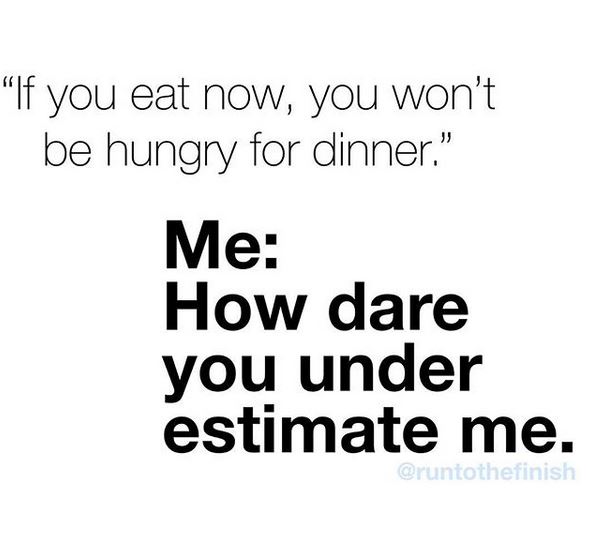
7. Eat High-Fiber Foods
Consume plenty of high-fiber, healthy foods throughout the day. Most high-fiber foods require more chewing, which helps to satisfy hunger. Because they are bulky, high-fiber foods also fill your stomach quickly and can delay the time it takes for it to empty.
Plus, you can satiate your hunger with fewer calories thanks to the low calorie content of many high fiber foods. Whole grains, vegetables, and fruits are all great sources of fiber.
8. Drink Plenty of Water
Drink a lot of fluids, especially water, in the hours following your run. If you still feel hungry after eating, you might want to try drinking a glass of water. This will help you determine whether you are experiencing a false sense of hunger. Wait a few minutes, and if you feel satisfied, you are probably just thirsty.
Make sure you stay hydrated throughout the day so you can avoid thirst signals that mimic hunger pangs.
Do a urine check to make sure that you’re well-hydrated. Your urine should be a light lemonade color. If it’s dark yellow, you need to drink more water. To avoid overindulging, you can also drink water prior to, during, and after meals and snacks.
9. Sleep More
Did you know that you may need up to 9 or even 10 hours of sleep for your body to fully recharge?! Our elite idols often get up to 12 hours of sleep by napping during the day.
During sleep your muscles are working hard to recover from all the added miles.
Your digestion is catching up after having all that blood flow diverted to your legs and your cortisol is trying to reset after the stress of your workouts and life.
Sleep..DO IT.
Read more on why runners need more sleep and tips to make it happen.
Why are runners always hungry? And how to we manage our marathon training hunger?? These tips work! #runchat Share on X10. Nutrient Focused
Women are notorious for under eating because of scale watching and years of calorie counting.
However a diet too low in calories will result in fatigue and likely injury. Marathon training stresses the body {and brain!!}, but a diet focused on high nutrition can help keep you rolling.
Focus on including a high volume of fruits and vegetables to ensure you feel full, aren’t worried about calories and are meeting all of your bodies recovery needs. Plus, a body that is lacking in certain nutrients will continue to send out hunger signals even if you are consuming enough calories.
One of the tricks the Holiday Challengers (a challenge I ran for many years) learned was to aim for at least 5-7 servings of fruits and veggies {affectionately freggies} daily. This is so much more empowering than counting calories!
11. Electrolytes
I am sure you guys now think I’ve been brainwashed as I mention electrolytes pretty much every time I talk about marathon training, but it’s just so true!
Because you are the smartest runners ever, I know you are already carrying a water bottle around every where you go {nudge}, so really all I can do is remind you about electrolytes!!
Drinking and sweating so much flushes out the body which is great on many levels, but not if it levels your mineral levels imbalanced leading to muscle cramps and fatigue.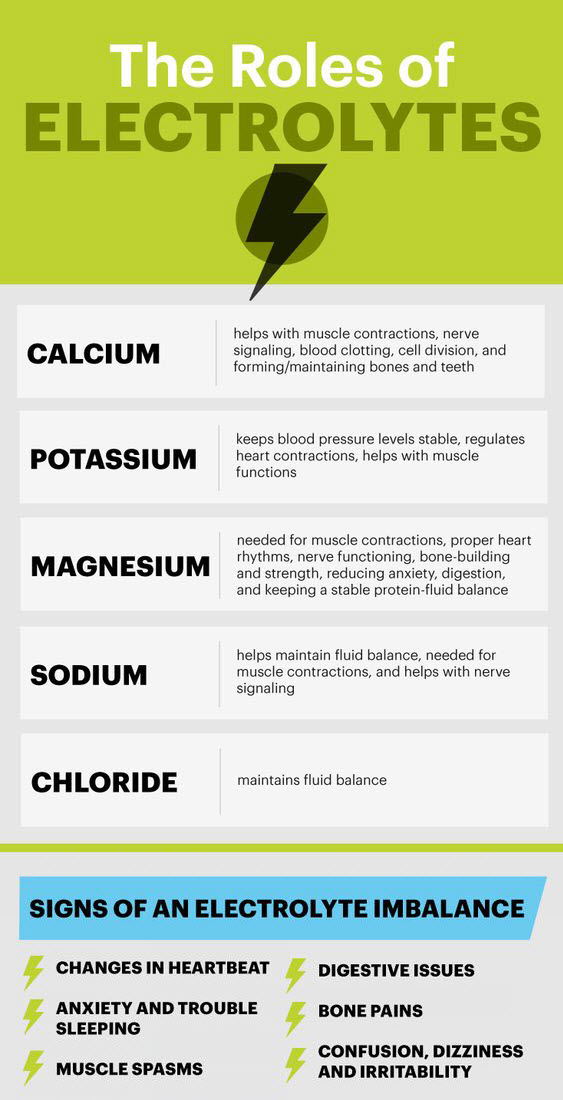
12. Practice Mindful Eating
Take the time to fully enjoy and savor your meals. Slow down, chew your food thoroughly, and engage your senses. Mindful eating helps you connect with your body’s hunger and fullness signals.
It’s amazing how much we rush through the meals we have been thinking about for hours!! Enjoy your food.
Take the time to really chew it and that will help with digestion as well as not overdoing it when you finally get to eat.
13. Keep a Food Diary
Keeping a food diary can provide valuable insights into your eating patterns and help you identify any triggers or patterns related to marathon training hunger.
Track your meals, snacks, and hunger levels to better understand your body’s needs. This can be really valuable to ensure you are fueling around your workouts appropriately. This becomes easy to see when you start tracking energy levels throughout the day.
14. Plan Your Meals and Snacks
Planning your meals and snacks in advance can help you stay organized and make healthier choices. Prepare a weekly meal plan, including nutritious snacks, and make a shopping list to ensure you have all the ingredients you need.
Preparation is so key to staying on track.
- Can you meal prep on the weekend
- Try things like Core Power which are shelf stable protein options
- Keep snacks in your purse or bag (I never leave home without them)
15. Don’t Fear Post-Run Hunger
After a long run, it’s natural to feel a surge in hunger. Embrace it as a sign that your body needs replenishment.
If you haven’t been fueling during your runs of 90 minutes or more, then it becomes absolutely critical to start refueling as soon as you finish. And to start fueling during those runs!!
Skipping that fueling during the run is actually slowing down your recovery and your progress.
16. Seek Professional Advice if Needed
If you’re struggling with managing marathon training hunger or need personalized guidance, consider consulting with a registered dietitian or sports nutritionist. They can provide expert advice tailored to your specific needs and goals.
This has been a game changer for so many of the athletes that we coach.
Checkout out this guide on understanding RD’s vs Nutritionist >>
17. The Most Important Tip: Listen to Your Body
Hydrate and listen to hunger cues.
When you’re hungry, eat soon so that you’ll more easily choose whole foods rather than simply whatever is available because you’re famished. It’s easy post run to get busy with so many other things, but your nutrition is part of marathon training! Don’t neglect the time that needs to be put in to it for optimal recovery, which will ensure you can make it to your next run healthy and energized.
If you feel like you shouldn’t be hungry, first water…then EAT.
Some people worry about calories on rest days, but most have a surplus from the long run, so it all balances out if you let your body guide your hunger and not your calories burned or eaten.
Kim McDevitt, MPH RD
A runner, cooking enthusiast and plant-focused flexitarian, Kim McDevitt has passionately built her career in nutrition. Noticing that her running performances were closely tied to what she was eating, Kim decided to study nutrition and pursue advanced degrees in Dietetics and Public Health, to better understand the power of food in performance. Today, Kim specializes in sports nutrition to enhance athletic performance and focuses on realistic and approachable ways for improving health through educated dietary choices within an active lifestyle.
Other ways to connect with Amanda
Instagram Daily Fun: RunToTheFinish
Facebook Community Chatter: RunToTheFinish
Sign Up to Receive a Weekly Newsletter with Top Running Tips and Laughs



 Achilles Pain While Running? Common Causes and Best Shoes