

Walking to lose weight is one of the most accessible forms of exercise you can do that’s not only easy to incorporate into your daily routine but also comes with a range of health benefits.
And the best part about walking is that it’s completely free and you can do it just about anywhere you want! You don’t need any special gear or equipment for it, all that’s required is a comfortable pair of walking shoes and you’re good to go.
Since I’m a running coach, a lot of folks probably don’t realize how much I LOVE TO WALK.
And walking was a huge part of kicking off my weight loss as a fresh faced college kid! If it hadn’t been for doing a lot of intentional walks, I wouldn’t have been able to progress to running.
It’s so easy to add in to your day!
Regular walking can help you burn calories, improve your cardiovascular health, boost your mood, and reduce stress levels. Walking also has the added advantage of being a convenient and sustainable way to stay active over the long term, as it can be easily integrated into your daily routine.
But if you’re looking to start walking to lose weight in particular, then there are a few things you can keep in mind. Plus, I’m sure you’re curious to find out exactly how many calories you can burn from walking.
I share all that and more in this article. You’ll learn more about the top health benefits of walking, how it helps to lose weight, how many calories you’ll lose, and what you can do to burn more calories during your walking sessions.
Keep reading to learn how to walk to lose weight more effectively.
What are the Health Benefits of Walking?
Walking is a simple and low-impact exercise that can provide numerous health benefits, especially for those looking to lose weight. Here are some of the major health benefits of walking:
Helps in Weight Loss
Walking is an effective way to burn calories and shed pounds. By walking regularly, you can create a calorie deficit, which means you will burn more calories than you consume. This ultimately leads to weight loss.
Lowers Risk of Chronic Diseases
Regular walking can also reduce the risk of chronic conditions like heart disease, diabetes, and high blood pressure.
According to a study published in 2013 in the American Journal of Preventative Medicine, brisk walking has positive impacts on heart rate at rest, blood pressure, exercise capacity, maximal oxygen consumption, and quality of life.
Helps Lower Blood Sugar Levels
Short walks can help lower your blood sugar after a meal. According to a study published by the American Diabetes Association, walking for 15 minutes each after breakfast, lunch, and dinner is more effective at lowering blood sugar levels than walking for 45 minutes at any other time of the day.
Strengthens Muscles
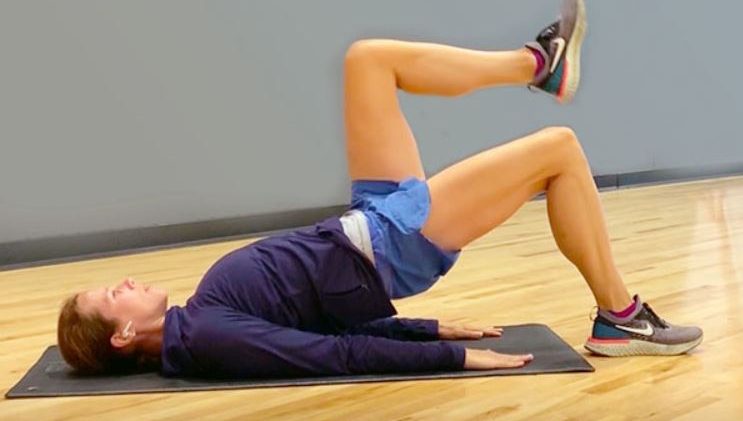
The muscles in your legs can be strengthened by walking, especially in hilly areas, on stairs, or on a treadmill with an incline. You can increase your strength by doing leg curls, lunges, and squats, as well as cross-training activities such as strength training and cycling.
Bodyweight exercises are a fantastic way to get started and improve your walking speed.
Relieves Joint Pain
Walking protects joints, especially the hips, and knees since it lubricates the muscles that support these joints. Moreover, it relieves discomfort associated with arthritis.
Even if you only do it once a week, walking for five to six miles can reduce the risk of developing arthritis.
Boosts Immune Function
You can even reduce your chance of getting the flu or a cold by walking.
During a flu outbreak, a study published in the British Journal of Sports Medicine studied 1,000 people over the age of 18. They found that those who went on moderately paced walks for 30-45 minutes a day had 43% fewer ill days and infections in their upper respiratory tract. When they did get sick, they had less severe symptoms.
You can get the same health benefits from walking every day even if you don’t live in a warm area by walking indoors or on a treadmill.
Boosts Energy
When you’re tired, going for a walk can give you more energy than drinking coffee. The energy boost comes from the increased oxygen supply and energy-boosting chemicals, such as norepinephrine, epinephrine, and cortisol.
Improves Mood
Mental health can be improved by taking brisk walks for 30 minutes three times a week since this has been shown to reduce anxiety, low mood, and even depression according to a study published in the Journal of Clinical Psychiatry.
Plus, it can also help increase self-esteem and lessen social withdrawal or feelings of isolation.
How Does Walking Help in Losing Weight?
Walking can be an effective way to help you lose weight because it burns calories and can create a calorie deficit, which is necessary for weight loss.
Here are some ways that walking can help in losing weight:
Burns Calories
Walking is a physical activity that burns calories. The amount of calories burned depends on factors like your weight, speed, distance, and duration of walking.
Generally, a brisk walk of 30 minutes can burn 100-200 calories. If you walk for longer periods or at a faster pace, you can burn more calories.
Reduces Fat
Walking can also help to reduce body fat. When you walk, you burn calories from the stored fat in your body.
Walking can also help to increase your muscle mass, which can help you to burn more calories even when you are at rest. I’ve explained down below exactly how to walk to help reduce fat better.
Controls Appetite
Walking can also help to control your appetite. When you walk, your body releases endorphins, which can help to reduce stress and control cravings. Additionally, walking can help to regulate the hormones that control appetite, making it easier to maintain a healthy diet.
Easy to Incorporate into Daily Routine
Walking is an easy and convenient exercise that can be incorporated into your daily routine.
You can walk to work, take a walk during your lunch break, or walk around your neighborhood in the evening. This makes it easy to maintain a consistent walking routine, which is important for weight loss.
Personally I take mini 15 minute walk breaks during the day. It gives my eyeballs a break from the screen and my hips a break from all the sitting.
How Many Calories Can You Burn by Walking?
The number of calories you can burn by walking depends on a variety of factors, including your body weight, walking speed, and duration of the walk.
For instance, a 160-pound person walking at a brisk pace of 4.0 miles per hour can burn approximately 360 calories in 60 minutes. Similarly, a 140-pound person walking at the same brisk pace can burn approximately 300 calories in 60 minutes.
Walking on an incline or carrying extra weight, such as a backpack, can also increase the number of calories you burn.

The easiest way to estimate the number of calories burned when walking is to wear a heart rate monitor or fitness watch that can measure not only your heart rate but also your walking speed and distance. Advanced trackers now have the ability to also take weight, gender, and age into account when calculating calories burned.
When counting calories and figuring out how many you’ve burned while walking to lose weight, there are a few other things to keep in mind.
Weight loss is not just about burning calories through exercise, but also about creating a calorie deficit through a combination of healthy eating habits and physical activity.
A combination of walking and other forms of exercise, along with a balanced diet, can help to support weight loss and overall health.
The charts below can help you estimate the average calories you’ll burn while walking at a regular pace or a brisk pace. A regular walking pace is estimated in this chart at 2.5 to 3.5 mph or a pace of 17 to 24 minutes per mile, while a brisk pace is 4.0 mph or about 15 minutes per mile.
| Calories Burned at a Regular Walking Pace (2.5 to 3.5 mph) | ||||||||||
| Weight (lbs) | 100 | 120 | 140 | 160 | 180 | 200 | 220 | 250 | 275 | 300 |
| Mile 1 | 53 | 64 | 74 | 85 | 96 | 106 | 117 | 133 | 146 | 160 |
| Mile 2 | 106 | 128 | 149 | 170 | 191 | 213 | 234 | 266 | 292 | 319 |
| Mile 3 | 160 | 191 | 223 | 255 | 287 | 319 | 351 | 399 | 439 | 479 |
| Mile 4 | 213 | 255 | 298 | 340 | 383 | 425 | 468 | 532 | 585 | 638 |
| Mile 5 | 266 | 319 | 372 | 425 | 479 | 532 | 585 | 665 | 731 | 798 |
| Calories Burned at a Brisk Walking Pace (4.0 mph) | ||||||||||
| Weight (lbs) | 100 | 120 | 140 | 160 | 180 | 200 | 220 | 250 | 275 | 300 |
| Mile 1 | 57 | 68 | 80 | 91 | 102 | 114 | 125 | 142 | 156 | 171 |
| Mile 2 | 114 | 136 | 159 | 182 | 205 | 227 | 250 | 284 | 313 | 341 |
| Mile 3 | 170 | 205 | 239 | 273 | 307 | 341 | 375 | 426 | 469 | 512 |
| Mile 4 | 227 | 273 | 318 | 364 | 409 | 454 | 500 | 568 | 625 | 682 |
| Mile 5 | 284 | 341 | 398 | 455 | 512 | 568 | 625 | 710 | 782 | 853 |
How to Burn More Fat When Walking to Lose Weight
There are two ways to increase fat loss while walking.
First, you must walk with sufficient speed and/or intensity to burn fat for energy. The longer you walk, the more stored fat you burn instead of the sugars your body uses for quick bursts of exercise.
Any form of exercise can burn calories, but power walking and other aerobic workouts are particularly effective at burning visceral fat, which is internal belly fat. This kind of fat makes your waist larger and makes you more likely to get diabetes and heart disease.
The American Heart Association (AHA) classifies walking at a speed of 2.5 miles per hour as an aerobic activity of moderate intensity. The AHA recommends that your target heart rate at this level of exercise be 50-70% of your maximum heart rate.
You can really burn more fat by exercising at a low to moderate intensity. This is because the body uses stored fat as fuel instead of carbohydrates, which are used for more intense workouts.
How to Add More Walking to Your Everyday Routine
If you want to start walking to lose weight, it’s not just about adding a walking session during the day but also about how you can increase how much you walk overall.
You can easily do this by making these simple changes in your everyday routine:
Park Far Away
Instead of parking as close as possible to the entrance, park towards the far end of the parking lot. This lets you walk more and saves you the trouble of trying to find a parking spot right by the door.
Take the Stairs
Using the stairs instead of the elevator can help you get in more steps. Also, choosing the stairs over the elevator is an excellent way to engage in more demanding physical activity.
Walk During Lunch
Take a walk around the office or the neighborhood during part of your lunch break. Invite your coworkers to join you on your lunchtime walk to make it more fun and keep you going. This will also help you stay motivated.
Invite Friends to Hike Instead of Coffee
It’s important for your mental and social health to hang out with friends. Choose a day to go hiking or walk in your local park after a picnic instead of getting together for coffee or lunch.

Walk While You Wait
If you are too early for a healthcare provider appointment, take a walk around the block. Or, if you are waiting for your kids to finish baseball practice, go for a brisk walk around the field. Anytime you are waiting, think of it as an opportunity to get a walk in.
Walk During Calls
If you’re on a call and don’t need to be at your computer, consider standing up and walking around while you talk. This is an easy way to add some extra movement to your day without taking up too much extra time.
Take a Family Walk
Instead of watching TV after dinner, consider taking a family walk around the neighborhood. This is a great way to spend some quality time together while also getting some exercise.
Use a Standing Desk with a Walking Pad
If you work in an office, consider using a standing desk instead of sitting all day. Standing desks are becoming more common in workplaces and can help you burn more calories and reduce your risk of health problems associated with prolonged sitting.
And if you can, consider getting a walking pad or under desk treadmill to help you walk while you work at your desk. They’re much smaller and quieter, but help to keep you moving.
Or on the cheaper side, grab a balance board!
6 Tips for Walking to Lose Weight
Walking is a great way to burn calories and lose weight, but it’s important to do it properly to get the most out of your workout. Here are some tips for walking to lose weight:
1. Wear Supportive Shoes
Wearing supportive shoes is crucial when walking to lose weight. Proper footwear can provide adequate cushioning and support for your feet, which can help prevent injuries such as blisters, sprains, and strains. It’s important to choose shoes that fit well and are designed for walking or running.
When shopping for walking shoes, look for features such as a comfortable and secure fit, good traction on the sole, and adequate arch support. It’s also a good idea to replace your shoes every 300-500 miles or every 6 months, whichever comes first.
Here are a few that I recommend:
2. Start Slowly
If you’re new to walking or haven’t exercised in a while, it’s important to start slowly and gradually increase the intensity and duration of your workouts. This can help prevent injuries (like shin splints) and allow your body to adapt to the new activity.
Start with short walks at a comfortable pace and gradually increase the duration and intensity over time.
3. Set Realistic Goals
Setting realistic goals can help you stay motivated and on track with your weight loss journey. Start by setting small goals, such as walking for 30 minutes a day, and gradually increase the difficulty as you progress.
It’s important to remember that weight loss is more about consistency than setting goals that you lose track of after a few days or weeks.
4. Track Your Progress
Keeping track of your progress can help you stay motivated and see the results of your hard work. Consider using a fitness tracker or pedometer to measure how far you walk and how many calories you burn during each workout.
You can also keep a journal or use an app to record your daily steps, distance walked, and other metrics. This can help you identify patterns in your walking routine and make adjustments to improve your results.
Plus, using a fitness tracker that has a heart rate monitor can help you gauge the intensity of your walking workouts and ensure that you are working at the right level to achieve your weight loss goals.
5. Build Up Your Distance, Frequency, and Intensity
As you figure out a daily walking schedule, you’ll want to start working on building your distance and frequency. Instead of going for one walk a day, you can break it down into smaller walks throughout the day as well.
You can also increase the intensity of your walks to burn more calories by walking at a faster pace, walking uphill, or walking with weights.
6. Swing Your Arms
You can also boost the intensity of your walking routine to burn more calories by nordic walking with poles or by rapidly swinging your arms.
You’ll use more muscles in your back, core, shoulders, arms, chest, and other areas as you walk, making it a total-body workout. Poles are a great way to both add stability and increase the burn! It’s an increasingly popular way to train.
Plus, many people find that walking faster comes more easily when they actively pump their arms as they go. This is because the arms propel the legs forward.

4 Walking Workouts for Weightloss
Walking can be a great way to shed those extra pounds and improve your overall health. Here are four walking workouts that can help you achieve your weight loss goals:
Brisk Walking Workout
This workout is great for those who want to increase their cardiovascular endurance while also burning calories. Brisk walking is a moderate-intensity exercise that can improve your fitness level and help you achieve your weight loss goals.
To perform this workout:
- Start with a 5-minute warm-up walk at a moderate pace
- Increase your pace and walk at a brisk pace for 30 minutes
- End with a 5-minute cool-down walk
This means you should walk at a pace that makes it slightly difficult to carry on a conversation.
Interval Walking Workout
This workout combines high-intensity intervals with lower-intensity recovery periods. It can help you burn more calories in less time while also improving your fitness level and endurance.
To perform this workout:
- Start with a 5-minute warm-up walk at a moderate pace.
- Walk at a brisk pace for 3 minutes, then slow down to a comfortable pace for 2 minutes
- Repeat the brisk/slow intervals for a total of 30 minutes
- End with a 5-minute cool-down walk
Hill Walking Workout
This workout is great for those who want to challenge themselves and work on their leg muscles. Walking up and down hills can increase your heart rate and help you burn more calories.
To perform this workout:
- Start with a 5-minute warm-up walk at a moderate pace
- Find a hill or incline and walk up at a brisk pace for 2-3 minutes
- Walk down the hill at a comfortable pace for 2-3 minutes
- Repeat the hill up/down intervals for a total of 30 minutes
- End with a 5-minute cool-down walk
Power Walking Workout
This workout is similar to brisk walking, but with a higher intensity. Power walking involves walking at a faster pace with a longer stride length. This can help you burn more calories and improve your cardiovascular endurance.
To perform this workout:
- Start with a 5-minute warm-up walk at a moderate pace
- Power walk at a fast pace for 1 minute, then walk at a comfortable pace for 2 minutes
- Repeat the power walk/comfortable walk intervals for a total of 30 minutes
- End with a 5-minute cool-down walk.
No matter which workout you choose, remember to wear comfortable shoes, dress appropriately for the weather, and stay hydrated during your walking workouts.
Plus, gradually increase the intensity and duration of your workouts over time to avoid injury and improve your fitness level.
Looking for more walking tips?
- Treadmill Walking Workouts for Everyone
- Walking 2 Miles a Day Benefits
- How Many Miles is 8000 Steps?
- Walking a 5K Plan
- Incline Walking Benefits
Other ways to connect with Amanda
Instagram Daily Fun: RunToTheFinish
Facebook Community Chatter: RunToTheFinish
Sign Up to Receive a Weekly Newsletter with Top Running Tips



 Running with Bunions: 11 Treatment and Prevention Techniques