

Have you ever experienced ear pain after going for a run? Ear pain is never fun, but running seems to worsen the problem for some people. Here are some common causes of why your ears hurt after running and how to prevent them.
Runners expect to feel a certain amount of occasional soreness in the leg muscles, feet, lower back, and even the shoulders (stop pulling them up to your ears!). Yet, one common occurrence that doesn’t get much attention is runners say their ears hurt after running.
Running and ear pain doesn’t intuitively seem connected.
After all, why would a cardio activity using the legs and arms cause ear pain? Even more confusing, the pain can be intermittent, become more or less intense, or move from one side of the head to another.
There can be many causes, and it’s important to understand them because trying to run through them can make the discomfort worse.
If you find yourself asking, “why do my ears hurt after running?” keep reading because I’m going over common causes of ear pain after running and how to prevent it.
9 Common Reasons Your Ears Hurt after Running
Ears are surprisingly sensitive. The most common cause of ear pain is changing the pressure inside your ears. Subtle fluctuations in the environment or even within your own body can change the pressure just enough to cause your ears to hurt.
We might not always be able to stop all of these causes of ear pain, but there are ways to make you feel more comfortable so you can get back to doing what you love: running.
1. Earphones That Don’t Fit Properly
Many runners (including me!) wear headphones to listen to music and podcasts to stay motivated. Some runners wear headphones over their ears, but many wear earbuds (such as AirPods) that fit into the ear canal.
For some that constant pressure inside the ear could be part of the issue.
Which one you wear is entirely up to you, but both can cause problems depending on the fit.
Tips So Your Ears Don’t Hurt after Running:
- If you wear over-the-ear headphones and have discomfort from the pressure of the headphones pressing on your ears, consider trying earbuds.
- Make sure your earbuds fit correctly and securely. Get a kind that comes with multiple sizes of tips and find the size that fits best without being too small or too tight.
- Wear the correct earbud in each ear for a more comfortable fit. That too large bud might be pushing on the ear or simply blocking air flow.
- If your ears get sweat in them, remove your earbuds and dry them off.
- If you have a hard time finding earbuds that fit snugly and comfortably, you can get custom-made earbuds.
- Make sure you clean your earbuds once in a while to remove old earwax and prevent introducing bacteria to your ear, which can cause an ear infection.
Checkout our best headphones for running to see the different styles and what might feel best for you.

2. Jaw Tension
A common thing that many runners do (without even realizing it) is clenching the jaw while they run. Some people even do that from stress when they aren’t running.
Pain or tension in one area of the body often radiates to another part of the body. Tension on the temporomandibular joint (TMJ – this joint connects the jaw to the cheekbone) or flexing facial muscles can cause pain in the jaw, neck, teeth, and even the ears.
Another cause of jaw tension can be dehydration because the joints aren’t properly lubricated, and it can cause you to clench your jaw as you run.
Tips for Jaw Tension Prevention:
- Try to be aware of what your body is doing as you run. Make it a habit to consciously loosen your jaw periodically so that your teeth don’t touch while you’re running.
- Drink plenty of water before and during your run.
- Address any extra stress in your life with calming techniques like deep breathing and yoga
- If you feel pain begin, pause your run and relax your face as you massage your jaw bone and take deep breaths.
3. Music That’s Loud
Many runners play their music too loud. This can be for various reasons, such as their earbuds aren’t snug enough. Hearing outside noise can make them want to try to drown it out by turning up the volume.
Loud music can overstimulate your inner ear, causing pressure on the eardrum, pain, and even hearing damage.
I know this sounds like advice from your grandma when you turned up the radio as a kid…but it’s true.
Tips to Keep Your Ears from Hurting after Running:
- If external noise is a problem, invest in noise-canceling earbuds to help keep the noise out so you can play your music at a lower volume. (I have used these for an ultra and many marathons, they fit great and can block or allow noise.)
- Pay attention to and follow volume warnings on your music device.
- Try to alternate your runs so that you listen to music every other run, or listen to music only in one ear at a time and alternate ears.
- Check out audiobooks and podcasts, which may not require such a high volume for you to be able to hear them.
4. Constricted Blood Vessels (Cold Weather and Altitude)
Changes in pressure can cause your blood vessels to constrict (vasoconstriction), which can cause pain. This is a common occurrence and can happen for a variety of reasons.
The ears are one of the first places that blood vessel constriction can happen because the ears are so exposed.
Frequent causes of blood vessel constriction for runners include altitude changes and cold weather because the nerves in the ear canal aren’t insulated but are sensitive to changing temperatures. And cold ears hurt!
Tips If Your Ears Hurt after Running:
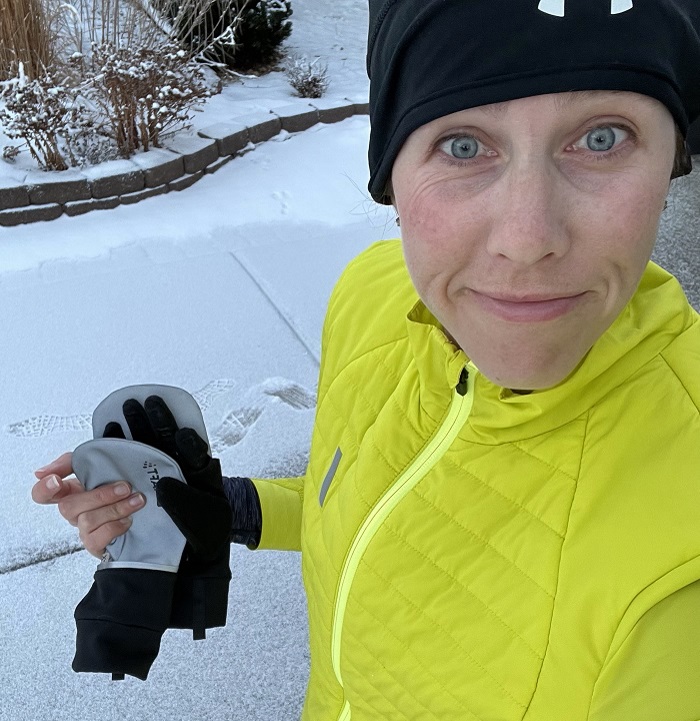
- Wear proper cold weather gear (like a headband or running hat) so that your ears stay warm enough.
- Avoid running in high altitudes. If you can’t avoid it, try chewing gum, yawning, or swallowing to open the Eustachian tube and relieve the pressure.
- Try to massage your ears during your run in the winter to generate blood flow (and warmth) to your ears.
- Limit how much salt you intake.
5. GERD (Gastroesophageal Reflux Disease)
GERD is a common disorder that causes the acidic contents of the stomach to come back into the esophagus and cause heartburn, indigestion, coughing, and sore throat.
It may sound weird that stomach acids can cause ear pain, but roughly 40% of people with GERD develop ear pain when they exercise due to the disruption of fluids. And to make matters worse, the more intense the activity, the greater the pain.
Although it doesn’t sound like a big deal, GERD symptoms can cause long-term problems if left untreated.
Tips for Prevention:
- Try to wait at least a few hours after eating before you run.
- Avoid eating acidic foods, which can exacerbate GERD symptoms.
- If you are experiencing symptoms of GERD, talk with your doctor about possible treatment options to reduce or eliminate your symptoms.
6. Infection or Other Ailments
Some runners can develop ear infections due to a variety of reasons such as illness, cold weather exposure, blocked eustachian tubes, and swimming, just to name a few.
Other common ailments can include running with seasonal allergies, migraines, and sinus infections.
All of these ailments increase pressure in small cavities of the body, which cause pain – or can make existing pain worse when your ears hurt after running.
Tips for Ears That Hurt after Running:
- If allergies are a common problem for you, consider taking daily allergy medicine to alleviate the symptoms and make exercise more comfortable.
- Common symptoms of infection are pain, fever, tiredness, a feeling of pressure in the ear, and possible reduced hearing in that ear. If you experience any combination of these symptoms, see your doctor.
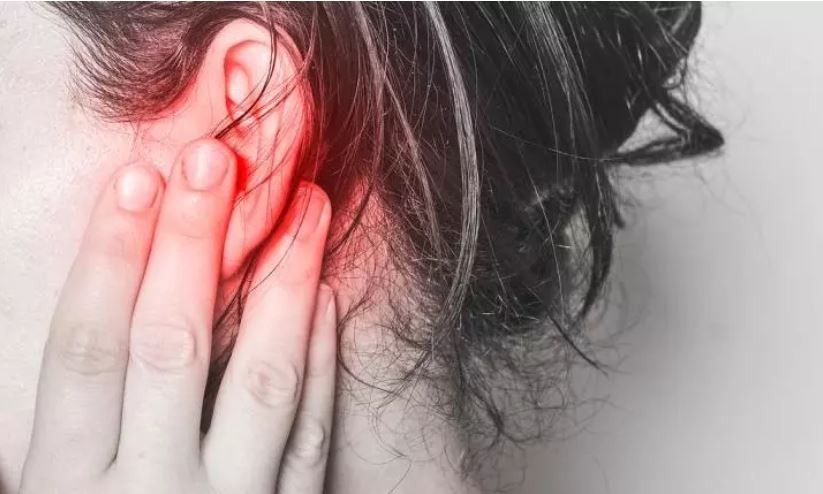
7. Perforated Tympanic Membrane (Ruptured Eardrum)
A ruptured eardrum is a tear in the tympanic membrane (the thin tissue) that separates your ear canal from your middle ear. It can have many causes, including ear infections, ear trauma, loud sounds, and sudden pressure changes.
Common symptoms of a ruptured eardrum include pain, fluid draining from your ear, ringing in the ear, hearing loss, dizziness, vertigo, and even nausea. Of note, the pain will be present even when you don’t exercise.
Although running isn’t a common cause of ruptured eardrums, it can make the problem worse.
Tips for Prevention:
- Unfortunately, there’s no way to completely stop your ears from hurting after running when you have a ruptured eardrum. I recommend seeing your doctor because they can prescribe ear drops to help your eardrum heal quickly.
- If the pain persists, consider taking a break from running until your symptoms improve slightly.
Ear pain while running isn’t something everyone experiences, but it happens for enough people that it’s worth knowing common causes, so you know how to address them.
If your ears hurt after running, please don’t ignore your symptoms. Instead, take some time to think about what may be causing the pain so that you can address it.
If you can’t pinpoint what’s causing your ears to hurt after running, or you experience additional symptoms such as chest pain, please see your doctor. There are other potential culprits, such as high blood pressure.
I hope some of the tips I’ve included in this post help you feel better so that ear pain doesn’t sidetrack your training!
More Posts to Read
Looking for more running tips, we’ve got them for everything! Try search in the top right or checkout one of these.
- Can You Run on a Broken Toe?
- Understanding Discomfort vs Pain as a Runner
- What Muscles Does Running Work?
- Overcome Your Top Running Excuses
Other ways to connect with Amanda
Instagram Daily Fun: RunToTheFinish
Facebook Community Chatter: RunToTheFinish
Sign Up to Receive a Weekly Newsletter with Top Running Tips



 Can Yoga Replace Strength Training? Which Makes You Run Better?