

When it comes to nutrition and running, there’s a lot of focus on carbohydrates. Which is absolutely critical for overall performance and recovery, but that means protein often takes a backseat. Protein needs for runners are equally important though to many of our bigger goals like lean muscle, getting stronger, getting faster and recovery. Carbohydrates are vitally important before, during, and after a run. They ensure we have the energy for each workout, the ability to recover and, especially on race day, the fuel to reach our peak performance.
But what about our protein needs?
Protein is not merely a supplement to a runner’s diet, but an essential component that underpins their performance, recovery, and overall well-being.
So how much protein do runners really need? What are some of the best sources of protein for both meat-eating and plant-based runners? When should runners prioritize their intake of protein? And, can runners supplement protein intake with powders or drinks?
We’ll touch on all these questions and more with the help of registered dietitian nutritionist Kylee Van Horn of FlyNutrition.
How Much Protein Do Runners Need?
How much we need is go to vary a bit by age, size, gender, goals. But there are some guidelines we can look at to help you find the ideal balance.
The recommended dietary allowance (RDA) for protein is quite meager, even for someone who leads a more sedentary lifestyle. It comes in at just 0.8 grams per kilogram of body weight, or 0.36 grams per pound. This is basically the minimum amount you need to not be malnourished and prevent illness.
To do a little math, for a 150-pound runner, if they followed the RDA, they would only need to eat 54 grams of protein per day.
As well known author Peter Attia shares in his book Outlive, just eating that recommendation is a bare minimum! It’s the “minimum amount of protein needed to maintain nitrogen balance and is far too low for goals of increasing lean mass and minimizing the risk of sarcopenia, especially as we age and become anabolically resistant.”
Runners and active people should actually consume more protein though.
A Better Protein Calculation for Runners
“I usually recommend 1.6-2.2 grams per kilogram (0.7-1.2 grams per pound) of body weight total for the day, which varies depending on training loans and intensity. This is in line with the American College of Sports Medicine,” said Van Horn.
Again, to do some math, if you have a 150-pound runner (68 kg), it’s recommended that they actually eat in the range of 109-150 grams of protein per day.
Women running in menopause with any goal of weight loss absolutely need to pay attention to this higher recommendation! But truly it applies if you are recovering from an injury, doing a heavy load of training, want to build muscle…protein for runners matters.

While that’s a pretty significant difference from the RDA, being a runner or an athlete places higher demand on our muscles and bodily functions. To ensure our bodies can recover and also avoid our bodies breaking down our muscles for fuel, we need to prioritize macronutrients like protein.
I’ve chatted with many RD’s and reviewed a lot of other literature. The 1gram per pound of bodyweight is a pretty common recommendation now and of course comes with some caveats.
If you are 180, but working to be 160. Then maybe you are eating 160 grams, not 180. But that’s getting in to some body specifics where you will really benefit from even a one time consult with an RD.
Why Do Runners Need More Protein?
Protein is important for everyone to consume. It’s an essential macronutrient, just like carbs and fats.
Protein serves as an indispensable nutrient for runners, playing a multifaceted role in supporting various aspects of their performance, recovery, and overall health. Here’s why protein is paramount for runners:
Muscle Repair and Growth
Running places significant stress on the muscles, leading to microscopic damage and breakdown during exercise. Protein provides the essential building blocks, amino acids, necessary for the repair and regeneration of these muscles.
By consuming an adequate amount of protein, runners can facilitate the repair process, leading to faster recovery and reduced risk of injury. Moreover, protein intake supports muscle hypertrophy, enabling runners to enhance their strength and endurance over time.
A new study conducted by The Ohio State University and Abbott found that 1 in 3 adults over the age of 50 aren’t getting even the minimum!! And if you are a runner over 50 this is an even bigger problem for your longevity in this sport.

Preservation of Lean Muscle Mass
Endurance training, such as long-distance running, can result in the loss of lean muscle mass, particularly if adequate protein intake is not maintained. In general, this is an issue of underfueling. Your body can’t maintain muscle when you are in a big constant caloric deficit.
By ensuring sufficient protein consumption, runners can mitigate muscle breakdown and maintain their strength and power output throughout their training regimen.
In addition, protein can be an important component when it comes to diet and body composition. While the goal of this article isn’t to discuss those two items, it’s still good to be aware of how protein can assist in running for weight loss and body composition changes.
Protein digests slower, which helps keep you full longer. As a result, prioritizing protein when focusing on a healthy diet can help you maintain or lose weight, depending on your goals and calorie intake.
Immune Function
Intense exercise, including running, can temporarily suppress the immune system, increasing the susceptibility to infections and illnesses. Protein plays a vital role in supporting immune function by providing the necessary amino acids for the production of antibodies and immune cells.
Mood and Brain Fog
It’s also important for neurotransmitters. Protein is a vital source of amino acids, which are integral for the central nervous system. Amino acids found in protein sources are used by our brains to synthesize neurotransmitters, which help with cognitive performance and mood regulation.
Energy Production
While carbohydrates are the primary fuel source for endurance exercise, protein also contributes to energy production, particularly during prolonged or intense running sessions.
Through a process called gluconeogenesis, amino acids from protein can be converted into glucose, providing additional energy to fuel the muscles and sustain performance. It’s not the energy source we want to go to first, that’s why we focus on quick carbs for race day, but it is available to us during those long sessions as a back up.
While people might want to think eating more protein will make you develop big bulky muscles, that’s simply not true. It takes lifting significantly heavy weights over a long period of time and a strict diet to see that kind of change in your body.
However, adding strength training to your regimen along with a greater focus on protein intake can help you see more lean muscle mass, less fat, and help boost your metabolism.
How Much Protein Can You Eat at One Time?
In general, it’s good to try to aim for 20-30 grams of protein in a meal. By hitting this number at breakfast, lunch and dinner and then adding in a little as snacks, hitting the range for your bodyweight as a runner shouldn’t be all that difficult.
BUT if you need to eat a higher amount at one meal than another, you aren’t wasting your time!
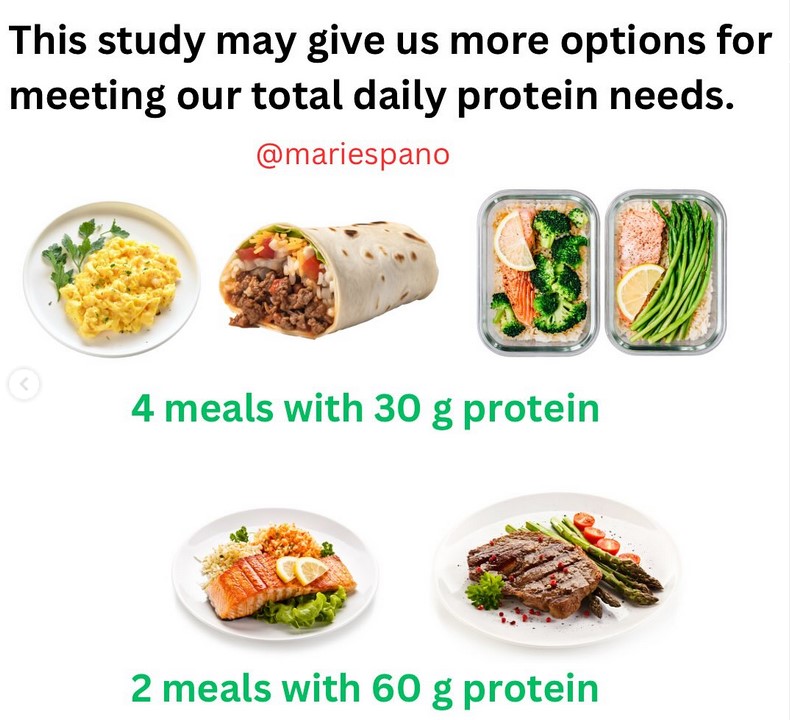
In the past, many studies have shown that eating more than 25-30 grams of protein at a time was a waste. However, newer studies are showing this to be inaccurate.
Previous studies showed our bodies can only use about 30 grams at a time for muscle protein synthesis, the process our bodies use to build and repair muscles. This lead to the idea that we just expel any excess.
We don’t. It’s simply used for other and no less important bodily processes, such as helping with our immune health and the neurotransmitters.
But, there’s more!
One of the newest studies dug deeper to look at the impact of high doses of protein over longer periods of time. They argued that older studies only looked at protein synthesis over short periods of time, no more than 6 hours.
This study was performed over 12 hours and found that the human body was able to use larger amounts of protein ingested at one time to repair and build muscle. While some protein will be used for other bodily functions, the rest is processed for our tissues, it just takes awhile.
What does that mean for you?
It means you can spread your protein out in a variety of ways. If you find that it’s easier to get in 50grams at dinner then rock on…but also, let’s talk a little about timing.
When Should Runners Prioritize Protein?
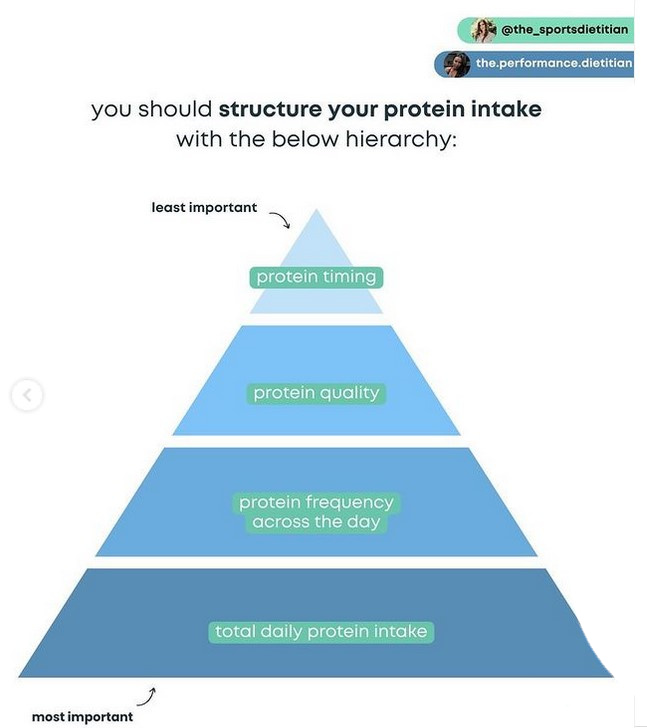
While we should prioritize protein in general, along with carbohydrates and fats since all three play a vital role in our body’s ability to perform and recover, do you need to eat it at a specific time to reap greater benefits?
“The reality is, running can cause muscle protein breakdown and higher intensity or longer bouts of running will cause more muscle protein breakdown,” Van Horn said.
“While recent research suggests there can be a longer window of higher anabolic recovery rate than previously thought, I say, why wait? Consuming protein as soon as possible post hard interval session or long run can help stop muscle protein breakdown, start repair, and help you meet your overall daily protein goal.”
Lydia Nader, another RDN, agrees and shared in another article that trying to get in some protein within 30-45 minutes can help replenish lost nutrients.
Van Horn does want runners to prioritize having protein at every meal though, not just post-workout, because again, it has additional benefits.
“Prioritizing having protein at every meal can also help keep the blood sugar more stable, which can promote better energy levels throughout the day,” she said.
Best Sources of Protein
The initial idea of increasing protein can feel tricky. So just keep playing with your meals. Look at some of these ideas to see if you can swap in something.
Van Horn likes to recommend some specific foods. “High branch chain amino acid (BCAA) rich foods help with maximum recovery and offer performance benefits. These foods include meat, dairy, eggs, yogurt, and soy.”
Within these categories, some great options include:
- Greek yogurt
- Cottage cheese
- Cheese
- Eggs
- Tuna fish
- Beef
- Chicken
- Shrimp
- Tofu
- Lentils
- Beans
- Edamame
- Nuts
What About Protein Powder?
If you struggle to get in enough protein, especially at these recommended higher amounts, try a protein powder for runners. In general, we try use them as an extra, not the main thing we rely on.
Van Horn said, “I don’t have any problems with runners using protein powders as a supplement to bridge the gap on days that are busier or where there is a higher training volume or intensity.”
Plus, protein shakes and protein powders are often easy to use on the go. They’re usually shelf stable and easily portable. Look for whey protein powders as they contain the 9 essential amino acids, making them a complete protein. If you’re vegetarian or vegan, plant-based protein powders, like soy protein or pea protein. These usually come in a variety of flavors and even unflavored.
There are also a ton of great high protein meal ideas and recipes on my site. Some of my favorites are:
- 19 Easy High Protein Salads
- 17 High-Protein Post Workout Smoothies
- High Protein Overnight Oats
- Fast High Protein Power Bowl Meals
- Easy Vegetarian Chili
- 97 High Protein Breakfast Ideas
- Vegan Vanilla Protein Pumpkin Muffins
And there are more! Just search “protein” on this site and you’ll find them all.
Other ways to connect with Amanda
Instagram Daily Fun: RunToTheFinish
Facebook Community Chatter: RunToTheFinish
Sign Up to Receive a Weekly Newsletter with Top Running Tips and Laughs



 Emma Bates Cracks Beer at Boston Finish Line