

If you’re in the midst of a training program for your next race, particularly a half marathon or longer, you probably have a weekly long run on your schedule. The miles are important, but recovering well from the work is key to continuing training.

Recovery doesn’t get nearly enough attention through a training cycle. But it’s actually one of the biggest game changers when it comes to staying injury-free and feeling good on your next run.
You all know I love my warmups, but I also prioritize my recovery. You don’t need to be an elite athlete to reap the benefits of avoiding a dreaded overuse injury or excessive soreness.
So if you’ve just finished a long run or pushed through a tough workout, I’ve got a few favorite recovery tips to help you feel better, faster.
Hopefully, you’ll find something here that makes recovery feel a little less like a chore and maybe even something you start to look forward to.
10 Best Ways To Recover After a Long Run
It can be really easy after a long run or race to head home, shower,and just plop on the couch to nap the day away.
Yes, we need to refuel and rest, but how we do that is important. Effective running recovery is a bit more complicated than just lounging on the couch the rest of the day.
1. Recovery Walk After Long Run
Post-run walks and cool downs are a great way to start the recovery process. Personally, I love to build in a 10-20 minute walk at the end of my runs.
Just like a warm-up readies our body’s to run, a cool down helps get our bodies back to normal post-exercise. It allows your heart rate to lower, your breathing to slow, and your muscles to start relaxing.
Sitting down immediately isn’t great for your heart and often leads to stiff tight muscles.
A way to guarantee you end with a walk is to ensure your running route ends before you get back to your car. Maybe plan a route that has you finishing a half-mile or so from where you parked so you have that time already planned in. If you finish your run at your car, it’s that much easier to just get in and get on the road without cooling down.
2. Post-Run Refueling
Post-run fueling is so important, particularly for women over 40. According to Dr. Stacey Simms, women should eat within 30-45 minutes after exercising and it should be 25-30 grams of protein with some carbohydrates.
By not doing this, Dr. Simms says women may prevent their bodies from starting the repair cycle. By having a protein-based snack combined with some carbohydrates, we’re ensuring our muscles can repair and come back stronger while also refilling our glycogen stores.

For many runners it can be hard to refuel immediately after a workout. Sometimes we may have a suppressed appetite or we’re simply not thirsty. It’s important that we try to get hydration and nutrition to help with recovery though. Here’s some ideas:
If you follow me on social, you may notice I love to keep a protein shake, like Fairlife Core Power, in my car for right after a run. These are a great option since they’re shelf stable and have 26+ grams of protein. Throw in some crackers or a granola bar and you have some carbs too!
3. Legs Up the Wall
Legs up the wall is a very easy yoga pose that’s both enjoyable and relaxing. Find a wall, lie down with your butt against the wall and extend your legs straight up.
Plan to stay here for 10-20 minutes. This is great to do relatively soon after a workout, but is also great at the end of a long day.
This pose helps remove the fluid that may collect in your legs by helping improve blood flow and circulation and reducing swelling. As a bonus, it’s also a great way to simply relax and destress.

4. Take Epsom Salt Baths
If you’re someone who enjoys a soak in the tub, an epsom salt bath might be a great recovery choice for you. (ME, this is me!!! I swear I feel better for just having been in the hot water and allowing myself to pause.)
While the science is mixed, people use epsom salt baths for pain relief from muscle soreness, stress relief, to prevent and ease inflammation, and more. Just fill the tub with hot water, add in a cup or two of epsom salt and soak for 15 minutes.
One popular brand is Dr. Teal’s, but there are plenty of options on the market. There are even foot scrubs, bubble baths, and lotions that may be of use.
5. Stretching and Mobility
I’m all about dynamic moves before a run. Stretching post run doesn’t always have to happen immediately after you hit save on your watch. That said, a little light stretching after a run can feel really good, and if it helps you relax, that alone can support recovery.
If you are feeling really tight, that is often a sign of a muscle being overworked or weak! Both things you need to take care of with more strength training, to help manage those longer miles.
And remember, this doesn’t have to happen the minute you stop running. You can save it for later in the day. Maybe it’s some gentle yoga, or a quick 10–20 minute stretch session while you catch up on your latest Netflix or recent Survivor episode.
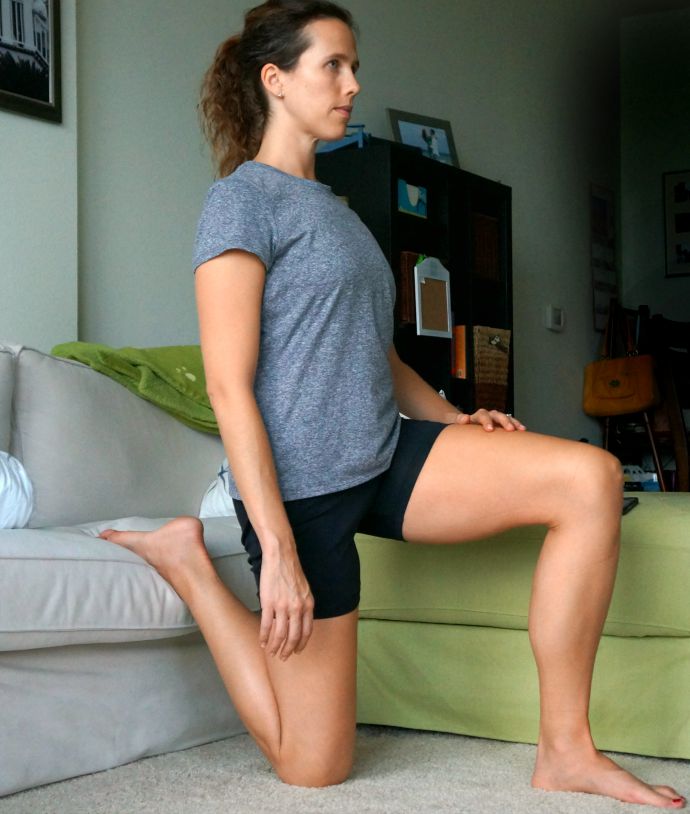
Whenever you fit it in, try to hit the full body. Your lower body definitely deserves attention, hips, glutes, quads, hamstrings, and calves, but don’t forget your upper body! As we get tired on those long runs, our posture tends to go, which means our back, chest, arms, and neck can all get a little stiff too.
Here’s some stretches you can do anywhere:
6. Prioritize Sleep
Sleep is one of the most underrated recovery tools out there. As a runner, getting sufficient and high-quality sleep is important for maximizing muscle recovery and overall performance.
During those deeper sleep stages, your body releases growth hormones (like HGH and testosterone) that help repair all the little muscle tears from your runs. That’s how you get stronger and bounce back feeling good for your next workout.

Inadequate sleep can disrupt hormone balance, leading to increased levels of cortisol, the body’s stress hormone. Elevated cortisol levels can hinder muscle recovery and even contribute to muscle breakdown. Additionally, disrupted sleep can affect hunger hormones, such as ghrelin and leptin, leading to an increased appetite and potential weight gain.
And don’t forget, sleep is also when your immune system recharges. So if you’re constantly pushing hard and skimping on sleep, your body’s defenses take a hit, and that could mean more missed runs due to getting sick.
Checkout these tips for improving your sleep quality >>
If you are having trouble sleeping repeatedly, that could be a sign of overtraining. A signal you need to prioritize rest and recovery even more.
7. Spend Time Cross Training
Some people can run daily and their bodies handle it well. Other people can’t run every day and that’s ok (I don’t actually recommend anyone run daily!!). Regardless of which category you fall into, cross training is a useful part of recovery and injury prevention.
Cross training can be activities like walking, cycling, swimming, and strength training. Cycling and swimming are great no-impact activities that can be really beneficial for our endurance.
Strength training is integral to healthy running. It doesn’t have to be overly intense and shouldn’t leave you excessively sore.
It helps with muscle imbalances, overall strength, and is crucial for injury prevention. Twenty to 30 minutes, 2-3 times per week is plenty depending on your goals.
8. Massage and Self Myofascial Release
Massage is a great way to not only relieve sore muscles, but also to stay healthy. If you can find a great massage therapist, especially one who works with athletes, keep them!
One drawback is that massages can be expensive. Sometimes health insurance may cover them, but more often than not they don’t. So what else can you do?
A great option is to simply invest in a foam roller for self myofascial release. Just like a massage, foam rolling can help increase circulation, lessen stiffness and muscle soreness, and assist with the recovery process.
Another favorite tool to have on hand is a massage gun. With their many attachments and varying intensities, these can provide targeted relief very quickly.

9. Don’t Skip Rest Days
Some runners despise rest days, while others welcome them with open arms.
Many of us struggle with the thought that we’re losing fitness anytime we’re not actively working towards our goals. But that’s simply not true.
Just like you didn’t gain your fitness in a day, you won’t lose it in a day either. Our bodies use our nightly sleep to help us recover, and taking rest days offer similar benefits.
Taking a rest day doesn’t mean you can’t do anything, although that’s totally fine too. But it should be a day where maybe you do a gentle yoga or pilates class or take a walk around the neighborhood.
These low key activities help to aid in recovery and still let your body get the rest it needs from the more high intensity running workouts.
10. Compression Gear
Personally, I’ve found a great deal of benefit from wearing compression tights during many marathon long runs.
Compression tights or compression socks are designed promote blood flow to the muscles, improving the delivery of oxygen and nutrients while aiding in the removal of metabolic waste products. This increased circulation can accelerate the muscle repair process.
For me, I’ve found that it can alleviate muscle soreness and decrease the severity of post-exercise soreness
I know some of you are wondering why compression boots or other fancy things didn’t make an appearance. The truth is that there isn’t a lot of data to prove they work. But we 100% know that the things above can make a difference.
Why Should We Prioritize Run Recovery?
Long runs are no joke and your muscles are working extra hard to keep you moving forward.
All that pounding on the pavement and the effort it takes to keep moving forward causes tiny micro-tears in your muscle fibers. Sounds intense, but don’t worry, this is actually how you get stronger. It’s part of the process, not a sign that something’s gone wrong.
Once you’re done running, your body gets to work behind the scenes. That’s when recovery kicks in and the real magic happens. Blood flow increases to help deliver oxygen and nutrients right where they’re needed, and your body starts repairing those muscle fibers so they come back even stronger.
Hormones like IGF-1 (insulin-like growth factor) show up to help with that rebuilding process, too. Your body’s working overtime after your run, you just need to give it the time and support to do its job.
When training for a race, it’s hard not to get caught up in the idea that more is better. I mean, after all, we see elite athletes putting in 100+ mile weeks.
But trying to emulate an elite athlete and not focusing on our personal goals and recovery is a recipe for disaster.
Prioritizing our recovery helps us in a multitude of ways. These include:
- Reducing risk of an overuse injury (IT Band pain, shin splints, bursitis, stress reactions/fractures, etc.)
- Improving muscle adaptation to the work
- Lessening soreness and fatigue, both immediate and DOMS (delayed-onset muscle soreness)
- Reducing inflammation
- Lowering the risk of running burnout
- Ensuring you can give your best effort in your next workout
- Long term training sustainability
Muscle fatigue, a natural consequence of long-distance running, can lead to a decrease in performance and an increased risk of injury. When muscles are fatigued, they are more susceptible to strain and overuse injuries.
Does Timing of Recovery Methods Matter?
Speaking of time frames, does it matter when you tackle your recovery methods? Yes, some things are going to have the most impact when done right away after a long run and others need to be woven in to your overall training.
The highest priority immediately post run is fuel. Long runs deplete our glycogen stores. In order to refill those stores and help our bodies repair our muscles, we have to help them through proper fueling, both during and after our runs.
Excessive soreness and fatigue can be indicators that we’re not properly fueling and hydrating before, during, and after our runs.
I know that this list may seem like a lot, but if you made only the change to fuel enough and sleep enough, you’ll be blown away with the results.
Every runner is unique, and what works well for one person may not be the ideal approach for another. Personalizing your recovery plan is key to addressing your specific needs and maximizing the benefits of recovery.
Looking for more marathon training?
Other ways to connect with Amanda
Instagram Daily Fun: RunToTheFinish
Facebook Community Chatter: RunToTheFinish
Sign Up to Receive a Weekly Newsletter with Top Running Tips and Laughs



 Hoka Mafate X Review | Winning 100 Milers and Our Daily Runs