

One week, everyone’s telling you to load up on electrolytes. The next week someone’s saying stay far away from sodium and just drink water. So what do you actually need to know about sweat, sodium, and runners?
Maybe you’ve noticed white salt streaks on your hat or shirt after a long run and wondered if that means something.
Or maybe every time you drink during a run, your stomach feels sloshy and uncomfortable.
Or maybe you’ve sworn off electrolytes altogether because of one run where you felt nauseous the entire time.
If any of those sound familiar, you’re not alone. Sodium is one of the most confusing topics in running nutrition, and despite what social media might tell you, there’s no magic number that works for everyone.
After getting lots of questions from runners, we sat down on the Tread Lightly Running Podcast to chat about what you actually need to know about sweat, sodium, and runners.
How Much Sodium Do You Actually Need?
The sodium debate tends to swing between two extremes: everyone needs a ton of it, or nobody needs it at all. The real answer is somewhere in the middle, and it’s different for everyone.
Unlike carbohydrates, where most runners can aim for a similar number (60-90 grams per hour), sodium needs can vary a lot from runner to runner. Genetics, training, medications, sweat rate, and even the weather all play a role.
There are two things to keep in mind when figuring out how much sodium is needed:
- Sweat Rate: how much fluid you lose each hour. This can change based on the weather, your fitness, and how hard you’re working
- Sweat Concentration: how much sodium is in your sweat and tends to stay fairly consistent over time.
Runners with a higher sweat rate need to drink more fluids to replace sweat losses… and those with a higher sodium concentration may need to replace more sodium (i.e. electrolytes with higher sodium concentration).
For runs lasting longer than about two hours, general guidelines suggest aiming for 400-800 mL of fluid and 300-600 mg of sodium per hour. This is a good starting point, but as we mentioned, it’s going to vary runner to runner. Some will need more and some will need less.
Sodium isn’t just replacing what you lose in sweat. It also helps your body absorb fluids and carbs, both of which you need, especially if you’re training for a half or full marathon.

Have you ever had that sloshy feeling because you thought you drank too much water while running? That actually may be a sign you may need more sodium to help move fluid and carbs from your gut to your bloodstream.
A 2025 study of 160 runners found that most runners were falling short on fluid and sodium during their race, not just carbs. On average, runners were getting well under 200 mg of sodium per hour, meaning some were getting none at all.
If you need some ideas of how to carry electrolytes with you, we have put together a list of the Best Hydration Vests for Runners.
Too Much or Too Little Sodium?
This is where it can get a little tricky because the symptoms of too much and not enough sodium can feel a lot alike.
Signs you need more sodium:
- Need to pee frequently even though you’re drinking a lot
- Sloshy, heavy stomach after drinking plain water
- White salt streaks on your clothes or skin
- Strong salt cravings post run/race
- Cramping or your heart rate starts to steadily climb during long or really hot runs
Signs you may have consumed too much sodium:
- Puffy fingers or hands
- Cotton mouth or just really thirsty
- Nausea or upset stomach
Because the signs/symptons overlap, it’s safest to make small changes at a time and track how you feel, rather than jumping straight to a higher amount. If you increase your sodium a bit and start feeling better, that’s usually a sign you needed more.
You want to make sure you’re at least getting even a small amount of sodium when running so that you avoid hyponatremia. This is when the sodium in your blood gets too low. It can even happen if you’re hydrating a lot, which is what confuses a lot of runners.
Symptoms of hyponatremia can include nausea, vomiting, confusion, and headaches. If you experience any of these things during a race, don’t just keep pushing through it. Stop running and head to a medical tent.
Where to Get Sodium While Running
Just like with fueling, there are many options out there for getting sodium. There isn’t the best #1 pick; it should be what you’ll actually use and works well with your body.
Some runners get most of their sodium from a high-carb sports drink, which takes care of both carbohydrates and electrolytes at the same time. Others prefer adding electrolytes to their water so they can adjust sodium based on how much they’re sweating and whether it’s really hot/humid.
If you’re someone who needs more sodium but doesn’t want to use only liquid nutrition, high-sodium gels can be an easy solution. Some to check out are SIS, Carbs Fuel and UCAN.
Salt tabs are another popular option because they’re easy to carry on race day and long runs.
One thing to keep in mind is that salt tabs and capsules have to be digested before the sodium can be absorbed, so they generally take a little longer to work than sodium that’s already dissolved in your hydration.
Timing with sodium matters here, too.
It’s not like carb loading. Loading up on sodium more than 8-12 hours before a race doesn’t really help, since your kidneys clear out the extra fairly quickly. The real benefit comes from getting enough sodium closer to race start, so you’re heading in already well hydrated.
Is a Sweat Test Helpful?
Sweat testing has become much more popular over the last few years, but that doesn’t mean every runner needs to spend $200 on one.
If your hydration and fueling plan is working well, a sweat test might just give you some interesting data.
But if you’re consistently struggling, it could help point you in the right direction to feeling better while running.
Here’s when you may want to consider getting a sweat test:
- Frequently cramp or notice your HR climbing more than expected
- Continuing to have GI issues despite adjusting your fueling and training your gut
- Lose a significant amount of weight during long runs
- You’re hydrating but feel like you’re just not getting enough fluids
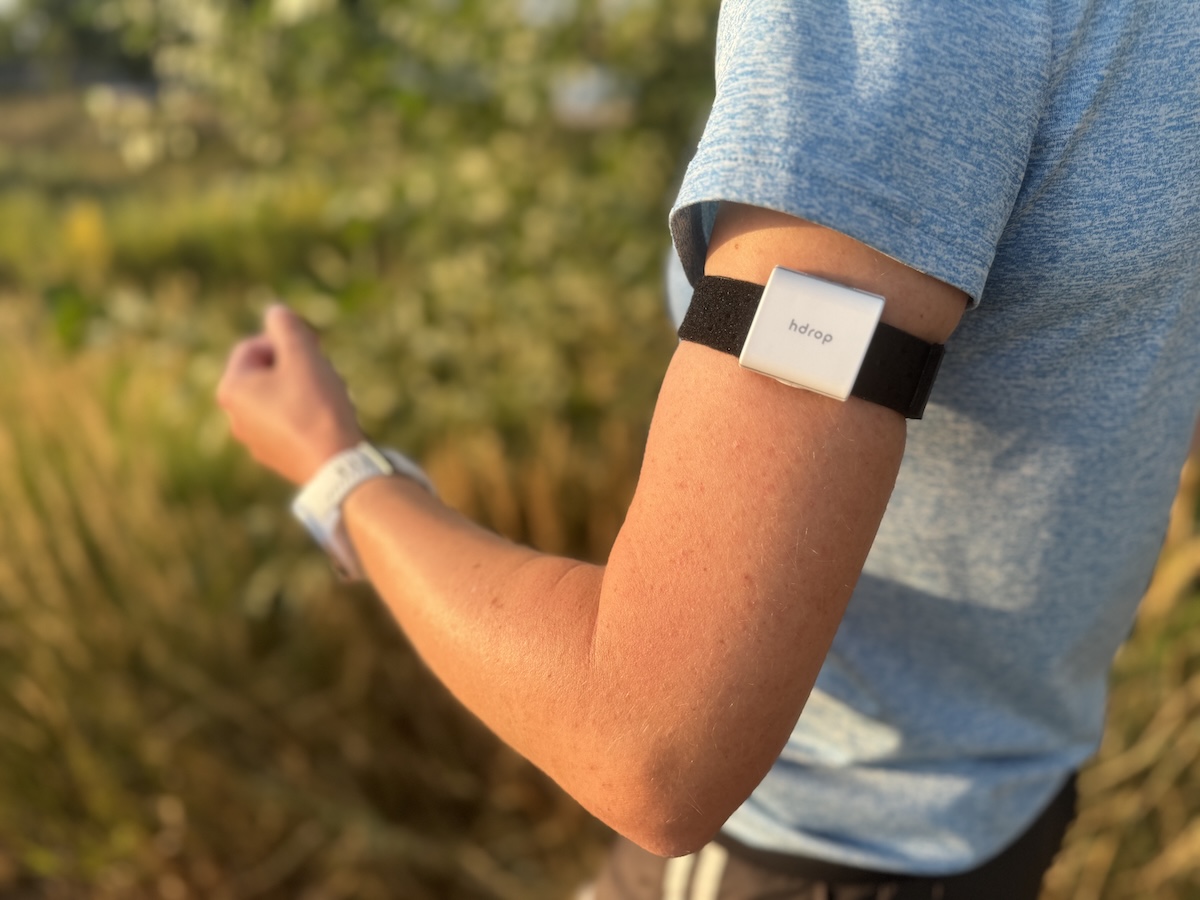
If you decide to get tested, we’d recommend trying to find a lab-based sweat test. Our team has tested at-home sensors like the h-Drop, but they often aren’t reliable.
There’s an easy way to test your sweat rate at home. Now it won’t tell you exactly how much sodium you’re losing, but it does give you a good estimate of your fluid losses.
Here are the steps to do it at home if you’re comfortable using a scale:
- Record your body weight, ideally after you pee (without clothes for a more accurate reading before/after)
- Go for your workout and track how much you drank
- Post-workout, record your weight again (avoid wearing your wet, sweaty clothes)
- Subtract your post-workout weight from your pre-workout weight to get the weight lost during the run
- Subtract the amount of liquid in your bottle before and after your run to get the amount of liquid consumed
- Take Weight Lost + Liquid consumed/time = sweat rate
There isn’t one perfect sodium amount per hour that works for every runner.
The most important thing is paying attention to how your body feels and being willing to adjust your plan during training.
Even if you find a strategy that works well, remember that your needs can change from one run to the next. Hotter weather, higher humidity, or a longer race can all mean you need more fluids and sodium than usual.
This barely scratches the surface of everything that was covered about sweat, sodium, and runners. Head over to the Tread Lightly Running Podcast to listen to the full episode.
Looking for what to read next?
- hDrop Review | An RD Explains Who Will Benefit From Sweat Testing?
- Best Running Hydration Packs Right Now
- Gut Training for Runners: How to Train Your Stomach for Marathon Fueling



 KEEN Wander Review: Perfect for Flowy Trails, Not Rocky Terrain
Leave a Reply