
Comparing Brooks vs ASICS really comes down to proprietary technologies, fit, and feel. They’re easily among the most recognizable brands and for good reason: both make exceptional running shoes for various running styles and body types.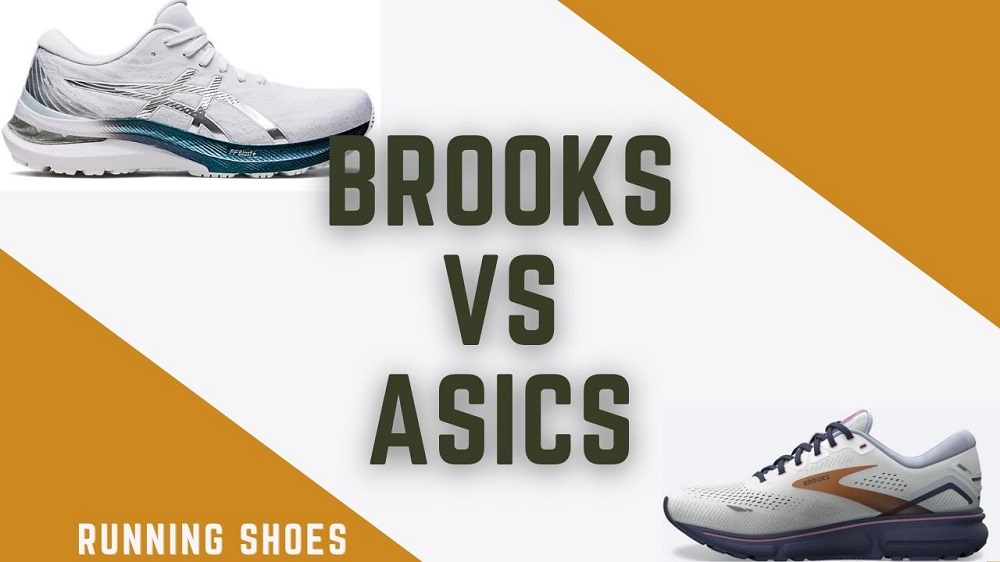
Both brands are known for their quality and offer a variety of models to suit different needs like overpronation, cushioning, and various styles of running.
And don’t worry, just because I share a last name with one brand doesn’t mean my opinion is biased. ;)
Brooks’ top models are the Ghost and Glycerin, which are designed for neutral runners. Asics top models are the Gel–Kayano and the Nimbus, which are designed for neutral to mild overpronators. So what does all of that mean?
Let’s look at some key differences between the shoe brands, then we’ll compare features and go head to head with individual shoes to help you find the best fit.
The Main Differences Brooks vs ASICS
Brooks and ASICS offer similar features and models for all kinds of runners, from the casual runner to extreme marathoner to the flat-footed or high-arched. I break down the differences in more detail below, but here’s a quick overview:
Brooks Running Shoes
- Wider Toe Box
- Exclusively designs running shoes
- Science-driven to accommodate rather than correct gait
ASICS Running Shoes
- More narrow fit, especially in the heel and midsole
- Famous for its GEL technology, which provides shock absorption
- Designs a variety of shoes for many different sports
I’ve worn both brands and will add some personal thoughts, along with links to detailed reviews.
If you’re looking for other comparisons, checkout ASICS vs Mizuno or Brooks Vs New Balance.
Brooks vs ASICS Feature Comparison
Both brands have been around for a very long time and are leaders in running shoe design. They both offer various technologies to aid with comfort, support, stability, and cushion. Where they differ most are in the fit.
The following breaks down each shoe based on the components buyers need to consider when purchasing a running shoe.
It’s gonna get a little TECHY…so you can just skip on down to the specific model comparison if you want, but personally if I’m shelling out $150 for shoes, I kinda want to know why.
Durability
The lifespan of shoes from both companies is fairly comparable.
- Brooks shoes have a life expectancy ranging from 300 to 500 miles, or three to six months, depending on your monthly mileage.
- ASICS recommends swapping out for new shoes every 450 to 500 miles.
Determining when to replace running shoes, of course, all depends on your gait, weight, and whether you run mostly on trail or road.
Breathability
Brooks uses two different technologies to maximize breathability. The first is their Engineered Mesh, a woven material that provides stretch and structure. The second is the Fit Knit that provides a sock-like fit that also allows for comfortable movement.
ASICS Ortholite Lasting material provides a plush underfoot cushion while managing moisture build up from sweat, allowing for maximum breathability.
Fit
Brooks shoes have a wider toe box, which makes them a great choice for runners with wide feet or bunions. The brand recommends that buyers go up a half size from their everyday shoe.
Brooks takes the cake when it comes to online fit, the Brooks shoe fit finder will give you an idea of what to look for in a running shoe when you do visit your local store.
ASICS shoes have a more snug fit, particularly in the heel and midfoot. An external heel clutch delivers targeted fit and support, while the Gel technology allows for foot movement in various directions as the foot transitions, reducing heel strike.
While ASICS also features a shoe fit guide, it takes a little sleuthing to find (you’re welcome).
 This is an older, yet still very USEFUL graphic from the Huffington Post.
I forget we may not all know the lingo when talking about different components of the shoe and why they matter.
Cushioning
Brooks uses two types of cushioning in their designs:
- DNA LOFT – Soft cushioning, that adapts to a runner’s profile, stride, and speed
- BioMoGo DNA – also adapts to runner’s profile, stride, and speed, providing a more balanced experience with a bit of spring.
ASICS uses Flytefoam technology that provides bounceback and responsiveness with each step. It gives a bit less energy return than Brooks shoes, but the two technologies are fairly similar.
The company has been using their famous Gel technology for more than 30 years. It works well to absorb the shock with each step.
Stability
Brooks refers to individual running gaits as the “Run Signature.” Rather than “fix” the way someone runs, Brooks technology helps to stabilize your stride based on how you naturally run.
They put runners into two different categories: Neutral and Support.
Brooks GuideRails technology allows hips, knees, and joints to move naturally, offering support when needed. Neutral runners may only require them to kick in when their stride is off.
ASICS shoes provide stability through a dual density midsole system called Duomax, which enhances support and stability. That, along with the external heel clutch allow the foot to continue its natural movement while running.
Affordability
The prices between the two brands are fairly comparable. Brooks prices range between $100 to $160, while ASICS start at a slightly higher price at $110 to $160.
The most popular models for both brands are priced toward the higher range.
You’ll notice that every brand offers a range and this is indeed due to a difference in technology and where they sell the shoe. They know that the big box store can sell the shoe with less in it, while the local running store needs to be best for dedicated runners.
ASICS Vs Brooks Running Shoe Models
Now that you know more about each brand, let’s look at their top models in each of the main categories. There’s no winner declared here because all are great shoes, it’s just about which one is best for your foot.
Did you notice I even said the brands in reverse order this time…seriously no favorites, I have run in both brands many different times over the years.
Stability Running Shoe
👉ASICS GEL Kayano 32
The GEL Kayano is now in its 32nd iteration and known as one of the best stability shoes on the market. Great for overpronators seeking stability, the GEL Kayano is an ideal shoe for marathons.
It’s more cushioned than most stability shoes and thus has remained a favorite of many runners for a very long time. To be clear, it’s not that plush max cushion feel, but a moderate underfoot feel that allows for pronation correction.
The fit is in line with most shoes, but you will notice a bit more of a heel lock. This is again to help with that foot pronation without over correcting.
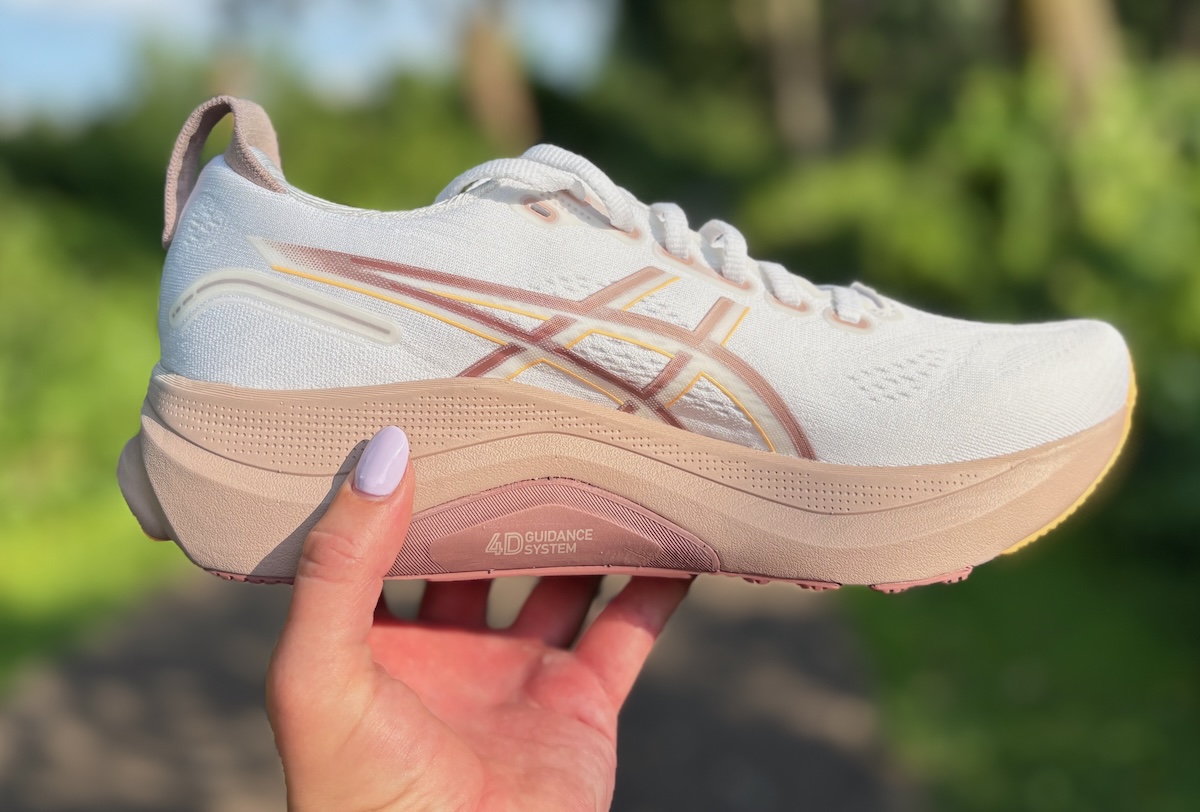
- Weight: 10.7 oz Men’s, 9.1 oz Women’s
- Stack Height: 40 mm
- Heel Drop: 8 mm
- Available in nine colors
- Available in wide and narrow
- Available at Asics.com for $165.00
- Read our full review of the Asics Gel-Kayano 32 here >>
👉Brooks Adrenaline GTS 25
The brand’s most popular road running shoe (GTS stands for go-to-shoe) just turned 25 and comes in a swath of colors. This supportive shoe is best for a medium to high arch, and is part of the cushion line.
This was one of the very FIRST shoe brands that I bought at a running store! I thought it was so incredibly cool my name was on the shoe…ha!!! But yes they were super duper bright white (as you’ll see below). I also bought stability because I was told I needed it…but I’ve beaten this topic, many runners don’t.

This shoe does feel firmer, which is normal for a stability shoe with the guiderails that are trying to prevent your foot from falling inward.
It’s also a shoe I recommend for runners dealing with Plantar Fasciitis because it’s got a high arch and provides a lot of support.
- Weight: 10.6 oz Men’s, 9.5 oz Women’s
- Stack Height: 37 mm
- Heel Drop: 10 mm
- Available in nine colors
- Available in wide or extra wide
- Available on Brooks Running for $155.00
- Read our full review of the Brooks Adrenaline GTS 25 here >>
Neutral Running Shoe
👉Asics Novablast 5
The Novablast has been a winning max cushion shoe from Asics since it first launched and they have continued to increase the amount of cushion in the shoe, while working to drop the weight. It’s not going to be the plush shoe you’ll see below, but it’s a great amount of cushion in a weight that’s going to translate to a lot of miles for the average runner from training even to race day.
The 5 has a completely new full length midsole with their FF Blast Max foam. Again, I like that this shoe is a more responsive cushion and you don’t sink in to it so much.
While this is a neutral shoe, with no guiderails or anything for stability, it absolutely has some of that built in to the design. The width of the platform from toe to heel reduces pronation and provides a really good ride.
- Heel toe drop: 8mm
- Weight: 7.9 oz women’s, 9.1 oz men’s
- Stack Height: 41.5mm
- Read my full review of the Asics Novablast 5 >>
- Available at RunningWarehouse.com $160 (my favorite for easy returns) and on Asics.com
👉Brooks Ghost 18
The Brooks Ghost 18 still delivers everything a runner could ask for: just the right amount of cushion in midsole, a durable rubber outsole and a breathable mesh upper to keep your feet feeling comfortable mile after mile.
The Ghost 18 keeps the same DNA LOFT v3 cushioning from the Ghost 17, but Brooks made some real improvements to the upper to include the new soft flat-knit tongue, new sockliner for a softer inside, better breathability, and a slightly roomier toe box. Nothing earth-shattering, but the kind of updates that add up over miles.
This is useful to many runners who end up with lower back pain while running in a too cushioned shoe.

The Ghost 18 is your dependable daily training shoe. If you want something that’s going to hold up run after run without making you think too hard about it, this is it. It’s not your race shoe; it’s not your speed workout shoe. It’s the one you reach for the rest of the time, and it does that job really well.
- Weight: 10.2 oz Men’s, 9.2 oz Women’s
- Stack Height: 36mm
- Heel Drop: 10mm
- Available in 6 colors
- Available in Narrow, Standard, Wide (2E), and Extra Wide (4E)
- Available at BrooksRunning.com for $150
- Read our full review of the Brooks Ghost 18 here >>
Cushioned Running Shoe
👉ASICS GEL Nimbus
The iconic Asics GEL Nimbus running shoes are a great choice for distance runners or anyone who spends a lot of time on their feet and has shin pain. They are extremely flexible, supportive, and comfy.
Ready for some serious cushion to cover the miles or just for an easy recovery run? The inclusion of FF Blast foam and GEL offers cushioned support that’s hard to beat.
It’s not a snappy shoe, but for the crazy stack height it is stable and will work for our heavier runners. The wider base creates stability without the stiffness of a traditional stability shoe.

The midsole is still FF BLAST™ PLUS ECO cushioning, made from 24% bio-based materials to keep moving toward a goal of sustainability.
- Good for recovery runs, longer miles for middle and back of the pack
- Weight: 8.5 oz women’s, 10 oz men’s
- Heel Drop: 8mm
- 4 colors
- Not available in wide
- Available at Asics.com for $170
- See our full Asics Gel Nimbus 28 review >>
👉Brooks Glycerin 23
The Glycerin remains one of Brooks most loved running shoes! It‘s a great all–around running shoe, providing great cushioning for a variety of running distances.
Brooks slightly changed things and use their DNA tuned foam underfoot. This EVA foam is the most durable and allows for a lot of softness. With their DNA tuned technology they can change the softness in different areas of the shoe based on usage type. In this case, a go to daily trainer.
If you’re someone who tends to deal with bunions or other issues needing a little extra space in the toe box, the Glycerin is a solid pick. You’ll have enough room plus the upper is made from a flexible mesh to accommodate a wider fit or different toe shapes.
 Despite all the cushion, the shoe remains fairly light at 9 oz and has a 8mm heel drop, encouraging speed and comfort.
- Weight: 10.2 oz Men’s, 9.1 oz Women’s
- Stack Height: 38 mm
- Heel Drop: 10 mm
- Available in 9 colors
- Available in Medium, Wide and Extra Wide (wide and extra wide widths available in select colors)
- Also available as the very popular Glycerin GTS for stability lovers
- Available on www.brooks.com for $165
- Check out our full review of the Brooks Glycerin 22 here >>
Carbon Fiber Plate Shoes
Are they cool new technology, yes. Do they last as long as your other shoes, nope.
So if you want to test these out use them for speed work and then race day! Watch my detailed video on how Carbon Fiber Shoes work.
👉ASICS Metaspeed Sky
ASICS is trying to catch up in this area and released a few shoes all at once which many folks can’t quit tell apart. The Edge is going to be the shoe with less cushion, less weight and better for those racing sub 3, etc.
This is a maximum cushioned carbon fiber plate for the marathon runner in you. It’s going to give you both that feeling of comfort over the miles along with the pop that’s often lost in a highly cushioned shoe.

- Weight: 5.9 oz (unisex)
- Stack Height: 39.5 mm
- Heel Drop: 5 mm
- Limited launch colors
- Not available in wide
- Available on Asics.com for $270
- Read our full review of the Asics Metaspeed Sky vs. Edge here >>
👉Brooks Hyperion Elite
Unlike many of the other carbon fiber shoes, Brooks says theirs could last up to 400 miles. That’s a pretty significant win for a carbon fiber shoe based on the price we’re all paying!
These are more of a maximal shoe with a higher stack height, which allows them to build in more cushion and their rapid roll technology. Which is a fancy way of saying the shoe should help some with a quick transition from heel to toe on each step.

- Weight: 6.9 oz
- Stack Height: 40 mm
- Heel drop: 8mm
- Available in two colorways
- Not available in wide.
- Available at brooksrunning.com for $275
- Check out our full review of the Brooks Hyperion Elite 5 here >>
More About Brooks Running
Believe it or not, Brooks started out in 1914 making ballet slippers and bathing shoes. Since then, they have made everything from baseball and football cleats to roller skates.
It wasn’t until Frank Shorter won the marathon at the 1972 Munich Olympics that Brooks considered limiting its focus. The first running shoe debuted in 1974 and their most popular running shoe, the Adrenaline GTS first hit the market in 1999.
In 2001, Brooks decided to focus solely on running.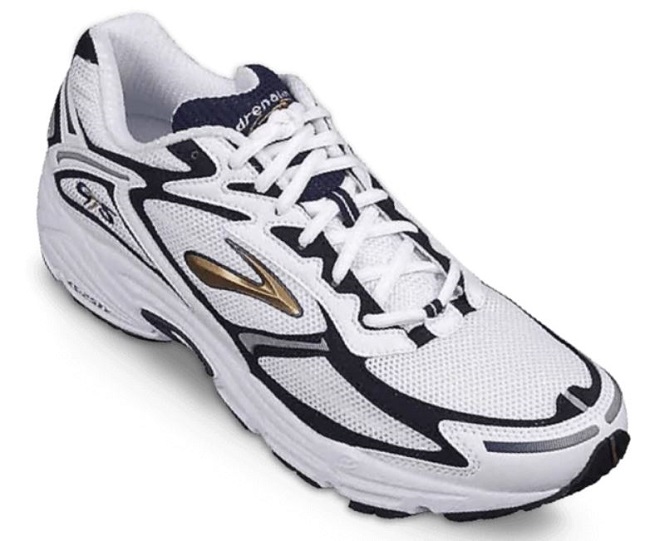
They introduced the Transcend in 2013, a shoe that used new biomechanics technology to create a GuideRails technology, allowing runners to run naturally without trying to correct their gait.
The Seattle-based company is also well known for its commitment to sustainability and giving back. Brooks donates time, gear, and money to companies that align with their values around diversity, equity, and inclusion and staff receive paid annual volunteer time.
More About ASICS
Founded in 1949, by Kihachiro Onitsuka in Japan, ASICS is an acronym for the Latin expression “Anima Sana in Corpore Sano” (“healthy mind in a healthy body”).
The company released a basketball shoe in 1950, followed by running shoes in 1953. Among those running shoe products included the Onitsuka Tiger, still a popular shoe today, though mainly used as a casual shoe as opposed to a marathon shoe.
Today, Asics designs a wide variety of shoes including: running, tennis, volleyball, wrestling, and golf.
Fun fact: Nike was founded to sell the Onitsuka Tiger shoes in the US. After visiting Japan in 1963, Phil Knight was impressed by the high quality and reasonable prices and asked the company to represent the brand in the US. Anyone else read his book and find all of this fascinating?!
How to Choose the Best Running Shoe?
ASICS and Brooks are the two most popular running shoe brands on the market, but more important than brand is the fit of the shoe.
Your gait and feet will likely change over time and you may need to change shoes.
This is also why I recommend rotating through several pairs of shoes at once.
And remember, just because these are two of the most well known brands on the market, there are still plenty of other shoe brands to select from if neither Brooks nor ASICS has the right shoe for you.
Keep in mind that shoe design can change, even with the same model, so always assess how the shoe fits every time you replace a pair.
For more help selecting the right shoe for you, don’t worry, I’ve got you:
- Best Trail Running Shoes
- Top 5 Marathon Running Shoes
- Skechers Running Shoes review (you might be surprised!)
- On Cloud vs Brooks
- Minimal or Maximal Running Shoes: Which is Right for You?



 Should I Run With Sore Legs? When to Go and When to Say No
I used to be 100% ASICS. Cumulus and Nimbus. But my big toe always made a hole after 100 miles or so. So I was retiring shoes early every time. So I tried Brooks Ghost and I can get over 400 miles with no issues. So I have switched completely now. All my ASICS are retired. And every pair had holes in the top on both feet.