
When trying to find your perfect running shoe there’s always a question of which brand is right for you. Brooks vs Mizuno running shoes is another comparison of proprietary technologies, fit, and feel.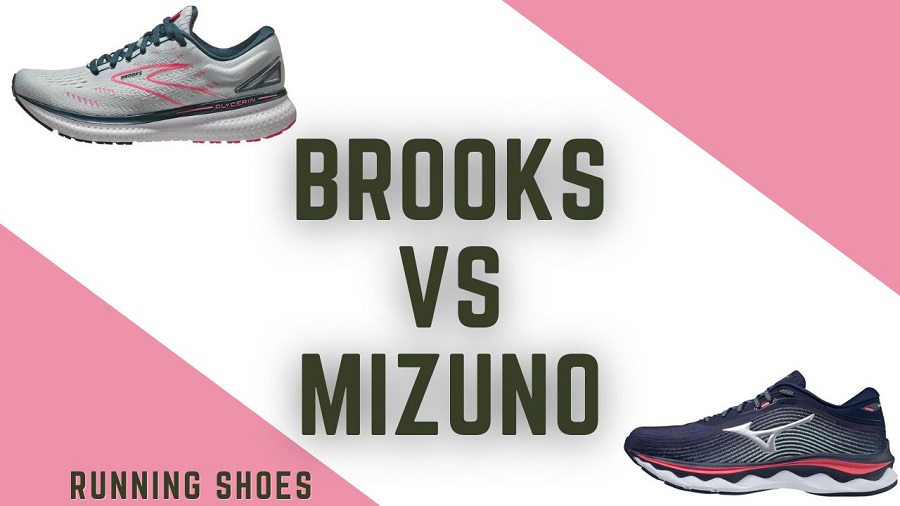
Both brands have a long history, things people love and things people dislike.
And like every running shoe brand they tend to have moments where they seem to be the dominant running shoe. This has a lot to do with marketing or getting lucky with a superstar athlete wearing their gear on a main stage performance (Olympics, NYC marathon, etc).
When it comes to these two brands, I think it’s key to know that both have continued to change an adapt. So if you’ve tried one previously without luck, you might need to be willing to test a new model.
Main Differences Brooks vs Mizuno
Nike and New Balance have a similar range of shoes, but a very different fit and feel. Maybe some of the difference is simply in the way that they market, which makes you feel differently about the gear.
I break down the differences in more detail below, but here’s a quick overview:
Brooks Running Shoes
- Traditional running shoe with 6mm-12mm heel drop (a LOT of models at 12mm)
- Exclusively designs running shoes, with a huge variety of models
- Science-driven to accommodate rather than correct gait
- Has more fun holiday styled shoes than any other brand (Christmas, 4th of July, Thanksgiving, St Pat’s)
- Increasing focus on performance apparel
Mizuno Running Shoes
- Overall shoe fit is in line with other traditional shoes like Asics, Brooks
- No shoes lower than 8mm heel drop
- Has stuck to some tried and true models
- Famous for the Wave technology
- No trail running shoes
- Well known across a variety of other sports from golf to swimming to volleyball
Mizuno Vs Brooks Running Shoe Models
Now that you know more about each brand, let’s look at their top models in each of the main categories. There’s no winner declared here because all are great shoes, it’s just about which one is best for your foot.
Did you notice I even said the brands in reverse order this time…seriously no favorites, I have run in both brands many different times over the years.
Stability Running Shoe
👉Mizuno Wave Inspire
This stability shoe from Mizuno does things a little differently than many others out there.
Instead of using a traditional medial post, like you’ll see in shoes such as the New Balance 860, the Wave Inspire 22 uses Mizuno’s WAVE plate.
The plate helps spread the impact across a larger area of the shoe instead of just the inside edge. That design helps guide your stride and keep your foot from rolling in too much, while still feeling natural as you run.
The updated midsole uses nitrogen-infused Mizuno Energy NXT, which gives the shoe a good balance of cushioning with a little energy return.

The Mizuno Wave Inspire 22 now has a 10 mm heel drop. It might not sound like a huge change, but even a couple of millimeters can make a difference in how a shoe feels on the run.
A lower heel drop can help reduce knee pain or IT Band issues that often pop up in newer runners.
- Weight: 8.8 oz Women’s, 10.4 oz Men’s
- Stack Height: 37 mm
- Heel to Toe Drop: 10 mm
- Available in 4 colorways
- Available in wide for select colorways
- Available from Usa.mizuno.com for $150
- Read our full review of the Mizuno Wave Inspire 22 here >>
👉Brooks Adrenaline GTS
The “GTS” in Brooks Adrenaline GTS stands for “Go-To Shoe.” It’s a nod to the fact that the Adrenaline GTS has become a go-to shoe for many runners who prioritize stability, support, and comfort in their running shoes. It’s simply gotten lighter and less rigid over the years!

It’s great for everyday runs or those long runs on the weekends. Middle of the pack folks who need stability, might find they do great for even the half marathon race day.
-
- Weight: 10.6 oz Men’s, 9.5 oz Women’s
- Stack Height: 37 mm
- Heel Drop: 10 mm
- Available in 9 colors
- Available in wide, extra wide, narrow, medium
- Available on Brooks Running for $155.00
- Read our full review of the Brooks Adrenaline GTS 25 here >>
Neutral Running Shoe
👉Mizuno Wave Rider
Every Wave Rider has featured Mizuno’s Wave Plate technology, and the version in the Wave Rider 30 is the most significant upgrade yet. Previous models used a half-length plate running from heel to midfoot. This version goes full length, all the way to the toe, which spreads pressure over a broader surface and smooths out the heel-to-toe transition considerably.
The plate is made from polypropylene mesh, which is less intense than plates they’ve used in the past. It basically has structure in one direction and flexibility the other, which is where that stable feeling without losing the cushion comes from.
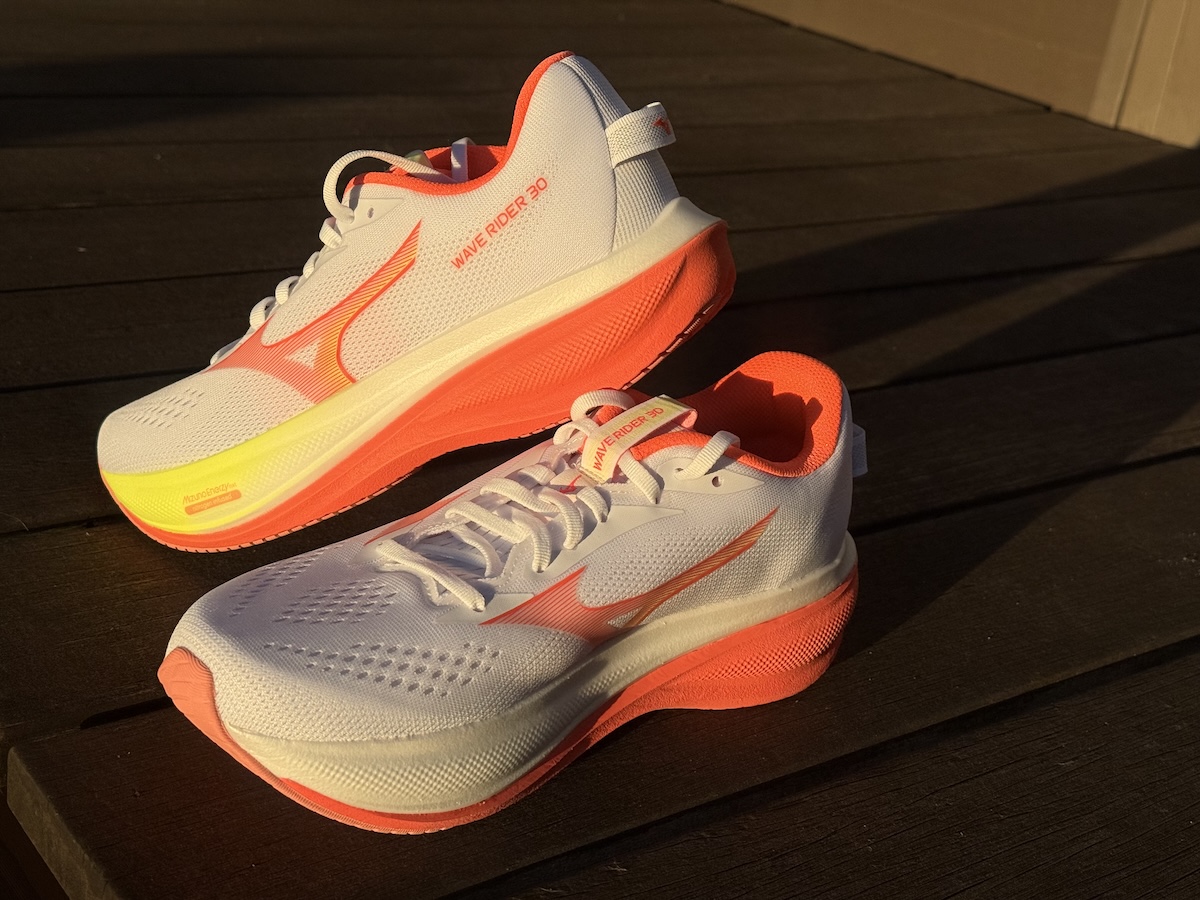
What you get is a shoe that keeps your foot feeling balanced and aligned stride after stride without any of the rigidity of a traditional stability shoe. Think of it as neutral stability.
The structure is there, working quietly underneath you, which is exactly why this shoe can handle both a casual long run and a marathon effort without feeling like a compromise.
- Weight: 9.4 oz Men’s, 8.1 oz Women’s
- Stack Height: 42.5mm
- Heel Drop: 8 mm
- Available in 5 Colors
- Available in wide (D width for women, 2E for men)
- Available on mizunousa.com for $150
- Read our full review of the Mizuno Wave Rider 30 here >>
👉Brooks Ghost
The Ghost 18 is your dependable daily training shoe. If you want something that’s going to hold up run after run without making you think too hard about it, this is it. It’s not your race shoe; it’s not your speed workout shoe. It’s the one you reach for the rest of the time, and it does that job really well.
The Ghost 18 keeps the same DNA LOFT v3 cushioning from the Ghost 17, but Brooks made some real improvements to the upper to include the new soft flat-knit tongue, new sockliner for a softer inside, better breathability, and a slightly roomier toe box. Nothing earth-shattering, but the kind of updates that add up over miles.
The Ghost 18 earns points for its versatility. The Ghost feels appropriate across a range of paces and distances, which is exactly what you want from a daily trainer.
- Weight: 10.2 oz Men’s, 9.2 oz Women’s
- Stack Height: 36mm
- Heel Drop: 10mm
- Available in 6 colors
- Available in Narrow, Standard, Wide (2E), and Extra Wide (4E)
- Available at BrooksRunning.com for $150
- Read our full review of the Brooks Ghost 18 here >>
Cushioned Running Shoe
👉Mizuno Wave Sky
The Sky would be considered one of their newer shoe models with just 5 models. Yet, it’s one that many runners are enjoying because it provides so much more cushion while maintaining the stability they have long loved from Mizuno.
Some reviewers found the fit to be a little more narrow on this shoe than other models. It also has a lot more traction on the sole than other models.
- 8mm drop
- 9.1 oz women’s, 10.7 oz men’s
- $170

👉Brooks Glycerin
The Brooks Glycerin have been a long time favorite of many runners. Their comfort, cushioning, and durability make them a shoe that runners can rely on for many miles.
These shoes were created with a tune dual cell technique which means the heel has large cells for plush landings and the forefoot has small cells for responsive toe-offs.

The Glycerin 23s are an all round comfortable and reliable daily trainer. They provide enough cushioning that your feet will feel great even at the end of a long run. There are minor updates to the Glycerin 23 from the previous version which come together nicely to create a running shoe that can get you through plenty of miles.
- Weight: 10.6 oz Men’s, 9.5 oz Women’s
- Stack Height: 38 mm
- Heel Drop: 8 mm
- Available 8 Colors
- Available in wide and extra wide
- Available on brooksrunning.com for $175
- Read our full review of the Brooks Glyerin 23 here >>
Carbon Fiber Plate Shoes
👉 Brooks Hyperion Elite
Brooks is looking to kick towards the front of the lead pack of supershoes. This flashy and fast update is an absolute blast to run in, and there’s no doubt you’ll see a ton of them at the starting line of races this fall.
Their DNA gold cushion is all super critical PEBA, instead of any EVA, which means it’s less durable, BUT gives that speed without squish feel that we enjoyed. In fact, this shoe is lighter thanks to those little cut outs around the orbs, but actually contains for foam making it faster and more efficient based on testing.

This shoe is made for race day from the 5k to the marathon. We can’t say that every carbon shoe could cover the variety of distances, but this one feels both stable and fast enough to do so.
- Weight: 6.9 oz
- Stack Height: 40 mm
- Heel drop: 8mm
- Available in two colorways
- Not available in wide.
- Available at brooksrunning.com for $275
- Read our full review of the Brooks Hyperion Elite 5 here >>
👉Mizuno Hyperwarp Pro
It’s not the flashiest supershoe on the market, but it might be one of the most balanced. Designed to blur the line between super trainer and race day option, this is a shoe built for runners who want speed without sacrificing comfort or confidence.
The Hyperwarp Pro is built around Mizuno’s updated smooth speed assist geometry, which helps guide your stride and adds a noticeable layer of stability. Which is to say with a big stack, this helps with that transition from heel to toe and keeps you from feeling any side to side wobble.
It does have Mizuno’s wave carbon-infused plate through the middle as well. Remember that a plate is really only as good as the foam surrounding it. It’s the combination of the two that allows us to get the most energy out of the shoe.
The Enerzy XP midsole delivers a soft yet highly responsive ride. Considering the stack it never feels overly heavy.
- Weight: 7.05 oz Unisex
- Stack Height: 39 mm
- Heel Drop: 5.5 mm
- 1 Color
- Not available in wide
- Available on Mizuno.com for $250
- Read our full review of the Mizuno Hyperwarp Pro here >>
Brooks vs Mizuno Feature Comparison
Both brands have been around for a very long time and are leaders in running shoe design. They both offer various technologies to aid with comfort, support, stability, and cushion.
They differ in both fit and technology.
Here is a breakdown of each shoe based on the components buyers need to consider when purchasing a running shoe.
It’s gonna get a little TECHY…so you can just skip on down to the specific model comparison if you want, but personally if I’m shelling out $150 for shoes, I kinda want to know why.
Durability
The lifespan of shoes from both companies is fairly comparable.
- Brooks shoes have a life expectancy ranging from 300 to 500 miles, or three to six months, depending on your monthly mileage.
- Mizuno says a casual runner of 20MPW should get about 6 months out of the shoes
Determining when to replace running shoes, of course, all depends on your gait, weight, and whether you run mostly on trail or road.
Shoe Fit
Brooks shoes have a wider toe box than other traditional models, which makes them a great choice for runners with wide feet or bunions. The brand recommends that buyers go up a half size from their everyday shoe.
Brooks does a great job with online fit, the Brooks shoe fit finder will give you an idea of what to look for in a running shoe when you do visit your local store.
Mizuno has a very traditional fit and might be described as a little more narrow.
Cushioning
Brooks uses two types of cushioning in their designs, which allows for a wide variety of cushion from plush to more minimal.
- DNA LOFT – Soft cushioning, that adapts to a runner’s profile, stride, and speed
- BioMoGo DNA – also adapts to runner’s profile, stride, and speed, providing a more balanced experience with a bit of spring.
Mizuno is all about their Wave Technology. In fact, it’s visible in every shoe when looking at the midsole from the side. According to the brand, here’s why it’s so amazing “The basic structure of the Wave allows the cushioning midsole to disperse the impact forces of running by spreading it out more evenly through the shoe.
Dispersal of the impact forces over a wider area, allows for a smoother heel-toe-transition and because of the Wave, the foot doesn’t sink into the midsole, allowing for energy savings.”
They actually have 3 different wave styles depending on the desired amount of support or cushion.
Stability
Rather than “fix” the way someone runs, Brooks technology helps to stabilize your stride based on how you naturally run. So in essence, both brands have the same take on stability. Just different technology.
Whether that’s a little bit more support in the arch or through the midline of the foot it helps hips, knees, and joints to move naturally, offering support when needed. Neutral runners may only require them to kick in when their stride is off.
Mizuno also utilizes the Wave technology to provide support to the shoe. They simply change the type of Wave.
As you may know, I’m not a huge fan of stability shoes for most runners. I am not finding a big difference in brands, they are all focused on preventing that foot roll and often feel a little stiffer.
Affordability
Brooks running shoes prices range between $110 to $150, while Mizuno start at a slightly higher price at $140 to $170.
The most popular models for both brands are priced toward the higher range. Carbon fiber shoes and often trail shoes will go beyond those rates.
You’ll notice that every brand offers a range and this is indeed due to a difference in technology and where they sell the shoe. They know that the big box store can sell the shoe with less in it, while the local running store needs to be best for dedicated runners.
More About Brooks
Believe it or not, Brooks started out in 1914 making ballet slippers and bathing shoes. Since then, they have made everything from baseball and football cleats to roller skates.
It wasn’t until Frank Shorter won the marathon at the 1972 Munich Olympics that Brooks considered limiting its focus. The first running shoe debuted in 1974 and their most popular running shoe, the Adrenaline GTS first hit the market in 1999.
In 2001, Brooks decided to focus solely on running.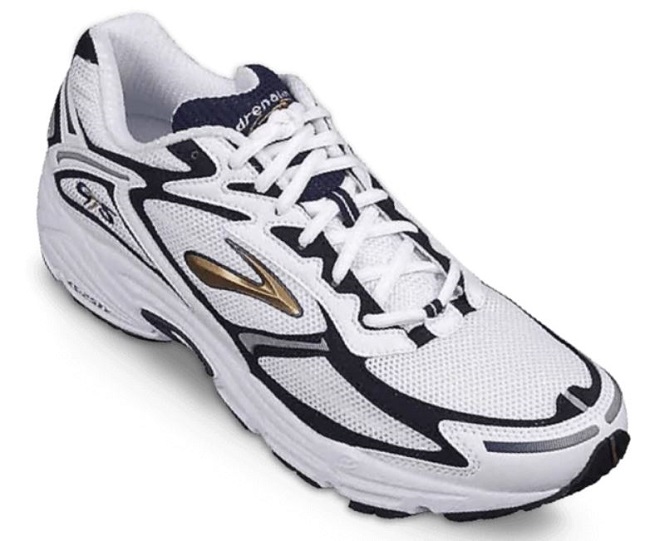
They introduced the Transcend in 2013, a shoe that used new biomechanics technology to create a GuideRails technology, allowing runners to run naturally without trying to correct their gait.
The Seattle-based company is also well known for its commitment to sustainability and giving back. Brooks donates time, gear, and money to companies that align with their values around diversity, equity, and inclusion and staff receive paid annual volunteer time.
More Mizuno Running
Rihachi Mizuno and his younger brother Rizo actually started in 1906 as a store selling things like baseballs in Osaka, Japan.
1910 through the 1970’s they continued to build in the baseball and golfing industries. Finally becoming large enough to enter the stock exchange and open additional factories.
It was in 1981 that the Mizuno Run Bird shoe was first introduced. They continued to have growth including some great success on the track, but the company was still predominantly focused around golf.

In the early 90’s they were focused on setting themselves apart and getting back to simplicity. “This Wave technology was the opposite of what Nike Air was,” continues Le. “Nike Air was a big air bag that cushioned the impact of running but the Wave Plate stretches out upon impact and propels the runner forward as it returns to its regular waved shape.”
The brand continues to focus on sports performance and what they call sports style.
How to Choose Mizuno or Brooks Running Shoes?
Mizuno and Brooks are two extremely well known running shoe brands, but more important than brand is the fit of the shoe.
Your gait and feet will change over time and you may need to change shoes.
This is also why I recommend rotating through several pairs of shoes at once.
And remember, just because these are two of the most well known brands on the market, there are still plenty of other shoe brands to select from if neither Brooks nor Mizuno has the right shoe for you.
Keep in mind that shoe design can change, even with the same model, so always assess how the shoe fits every time you replace a pair.
For more help selecting the right shoe for you, don’t worry, I’ve got you:
- Best Running Shoes for Flat Feet
- Best Running Shoes for Wide Feet
- HOKA vs Nike
- ASICS vs Brooks
- Best Long Distance Running Shoes
Other ways to connect with Amanda
Instagram Daily Fun: RunToTheFinish
Facebook Community Chatter: RunToTheFinish
Sign Up to Receive a Weekly Newsletter with Top Running Tips and Laughs



 How to Break in Running Shoes (Especially Before a Race)