

Turning those leisurely strolls into a power walk can actually help you live longer. Science has backed this with new studies and we’ve backed the how to with a decade of coaching, so let’s help you pick up the pace safely.
 We totally get it, not everyone wants to run. But most of us do want to feel good, stay active, and keep our bodies moving. That’s where daily walks come in.
Honestly, we’re big fans, and the team here at Run To the Finish even meets weekly to rack up some steps!
Recently, various research studies grabbed our attention. For example, this specific research study showed that yes, your daily step count matters, but so does how fast you’re walking.
So, if you’re curious how to boost your pace and get more out of each walk, we’ve got some simple tips to help.
10 Tips to Increase Your Average Walking Speed
Just like with running, picking up the pace with walking takes more than just a few easy walks in the park a week. If you want to increase your walking speed, you’ll need to train your cardio, build endurance, and even add in some strength training.
It’s not going to be a bunch of complicated workouts that leave you feeling overwhelmed or defeated. Think of it like a puzzle; each piece helps you add more power to your stride. So eventually, you’ll be passing those other walkers on the trails that you once couldn’t keep pace with.
Based on this research study, it was found that 100 steps per minute (SPM) equated to moderate physical activity. If you’re not there yet, don’t freak out. Figure out what your baseline cadence is and then gradually build each week by using our tips below.
Let’s look at these tips for how to improve your average walking pace over time:
1. Follow a Plan
Looking for a little more guidance on picking up your walking speed? We’ve put together this FREE 6-week power walking training plan for you to follow for a little extra motivation.
This plan is designed so that you gradually build the intensity of your walks. Over the 6-weeks you’ll find a mixture of power walks, easy walks, and power walk workouts like hill repeats and intervals.
You can complete the workouts anywhere that gets you excited to get moving. Head to the trails, roads, or even hop on the treadmill. Honestly, the treadmill is a great place for structured workouts because you can easily control your pace and incline.
And if you’re throwing a walk in the middle of your work day, it’s the perfect place for multitasking too…. just don’t fall off the back!
Have questions about power walking? Check out our article with tips to make sure you get all the benefits of power walking workouts here >>

Download the FREE 6-Week Power Walking Training Plan here >>
2. Try Walking Intervals
Walking intervals are a type of workout that includes switching between periods of power walking or brisk walking and a more comfortable walking pace.
This helps you increase your aerobic capacity and improve your overall speed by increasing your stamina over time.
Start with 20-30 second intervals where you pick up the pace and gradually work your way to longer power walking intervals, and before you know it, you’ll be power walking an entire mile or more!
You may have heard about the Japenese walking method a LOT recently.
This is an interval method alternating three minutes of brisk walking with three minutes at a slower pace. Studies show it can significantly improve aerobic capacity, leg strength, cardiovascular health, and metabolic function, often outperforming steady-paced walking.
BUT remember that if you aren’t yet at a 3 minute push spot and can only do 30 seconds, it still counts.
If you want to walk indoors, take a look at these treadmill walking workouts.
3. Increasing Your Cadence
Cadence refers to the number of steps taken per minute (SPM). The higher your cadence number, the faster your walking pace.
Increasing your walking speed doesn’t mean taking longer strides; you actually need to take quicker, smaller strides.
No need to start counting steps in your head, I know I’d lose count! Most GPS watches will automatically track your cadence for you, or you can use metronome app on your phone.
You can even put together a playlist with a specific BPM (beats per minute) to help you pick up your stride a little.
A faster cadence means:
- more momentum moving you forward
- less wasted energy, especially if you’re going for super long walks
- less stress on your muscles and joints
Is there a perfect cadence? Not necessarily. Everyone’s cadence is going to be a little different, especially depending on someone’s height!
As we mentioned above, research showed that having at least 100 SPMs equals moderate activity. So start there with your goal and continue to build your walking speed as you get stronger!
3. Pump Your Arms
Did you know that your arm speed can influence your leg speed?
The way you swing your arms affects how long your stride is and how fast your cadence becomes. Which is just a fancier way of saying a powerful arm swing equals quicker steps and a better pace.
So what does this look like?
Keep your elbows bent at around 90 degrees and swing your arms straight forward and back. Avoid crossing them over your body, which only wastes energy.
As your arms swing, let your hand brush past your hip as you go front to back.
Keep your hands below your chest and steer clear of exaggerated high swings. You’re not trying to punch the air here!
5. Track Your Progress
How do you know if you’ve gone from strolling to walking fast enough for health benefits?
Tracking.
How you track can be as simple as you want it. But what we want to track:
- How long did you walk
- How far did you go
- How did you feel
To really notice improvements, try walking the same route each time for awhile. This keeps things consistent and makes it easier to see how much stronger you’re getting.
An at home walking treadmill is also a great option if you want to control the terrain and pace.
That said, don’t avoid trails or hills! They might slow you down a bit, but they’ll build strength and make you a more efficient power walker over time.
If you’re just getting started, don’t worry if it takes a little longer to walk a mile; it’s totally normal. You might need to slow down, take breaks, or catch your breath along the way. As your fitness improves, you’ll naturally get faster and feel more comfortable pushing the pace and distance.
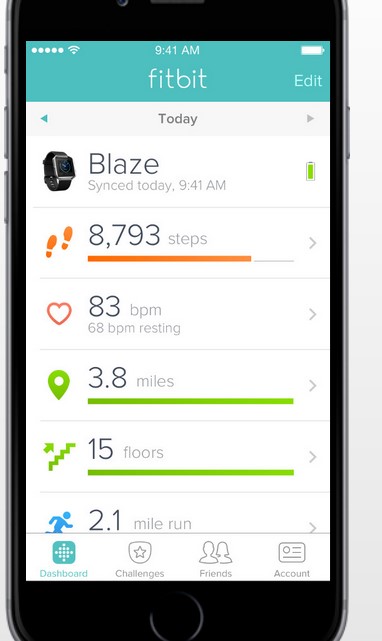
Using a pedometer or a basic running watch that tracks your steps and cadence can give you an idea of your average walking pace. Check in every other week to see how it’s changing.
Remember it’s also not a straight line, you won’t just get faster and faster with never any bumps in the road. That’s ok!
6. Include Strength Training For Speed and Health
Walking is only one piece of this puzzle. We say it all the time that strength training is a MUST.
Especially for women over 50, fitness requires strength training because we simply lose muscle mass so easily. And less muscle mass means an increased chance of injury, slower metabolism and changing body shape.
Try to incorporate exercises that target your glutes, quads, hamstrings, and calves into your weekly routine. This will help you walk with more power for longer distances.
Need some ideas? Check out these body weight exercises to help you get started.
7. Maintain Good Walking Form
Now you may be thinking about power walkers you may have seen on tv, but that’s a whole other kind of walking form. We promise there’s no aggressive hip swinging involved here!
Walking makes use of more than simply the legs.
- To avoid hunching forward, keep your shoulders back and your chest high.
- Think about pulling your abs in as you walk.
- Keep your arms free so you can swing them near to your side.
- 90 degree bend in the elbows can keep you from getting that hand swelling sensation while walking as well
If you notice yourself starting to hunch forward, stop, shake out your arms, and roll your shoulders back to reset.
As you start to get tired, the first thing to go is usually your form. Help prevent this from happening by working on strengthening your core.

8. Monitor Your RPE (Rate of Perceived Exertion)
Monitoring your rate of perceived exertion (RPE) is another way for tracking your improvement. The CDC recommends that individuals should aim for 150 minutes of moderate-intensity exercise per week.
What’s moderate intensity for one person will differ from that of another, and it will interestingly also change over time as your overall fitness level improves.
So monitoring your RPE is a great way to keep track of progress and ensure that you’re getting the right amount of exercise every week. This can also help you know when it’s time to push harder and when it’s time to take it back a notch.
9. Track Your Heart Rate
Tracking your heart rate is a great way to check how or if your fitness has changed. Higher heart rates could mean you’re pushing too hard, and you may need to slow down to catch your breath.
You can expect an increase in your aerobic capacity (VO2 max) as your fitness level improves. As a result, you won’t become out of breath as quickly and will be able to maintain your current speed for a longer period of time. Remember that, if you’re just starting out, Zone 1 heart rate training is going to be helpful!
Over time, you’ll start to see your overall pace increase and your HR lower as you build fitness.
10. Get the Right Gear
If you’re wearing shoes that start to feel uncomfortable or leave hot spots, it’s likely you may lose motivation to get those steps in.
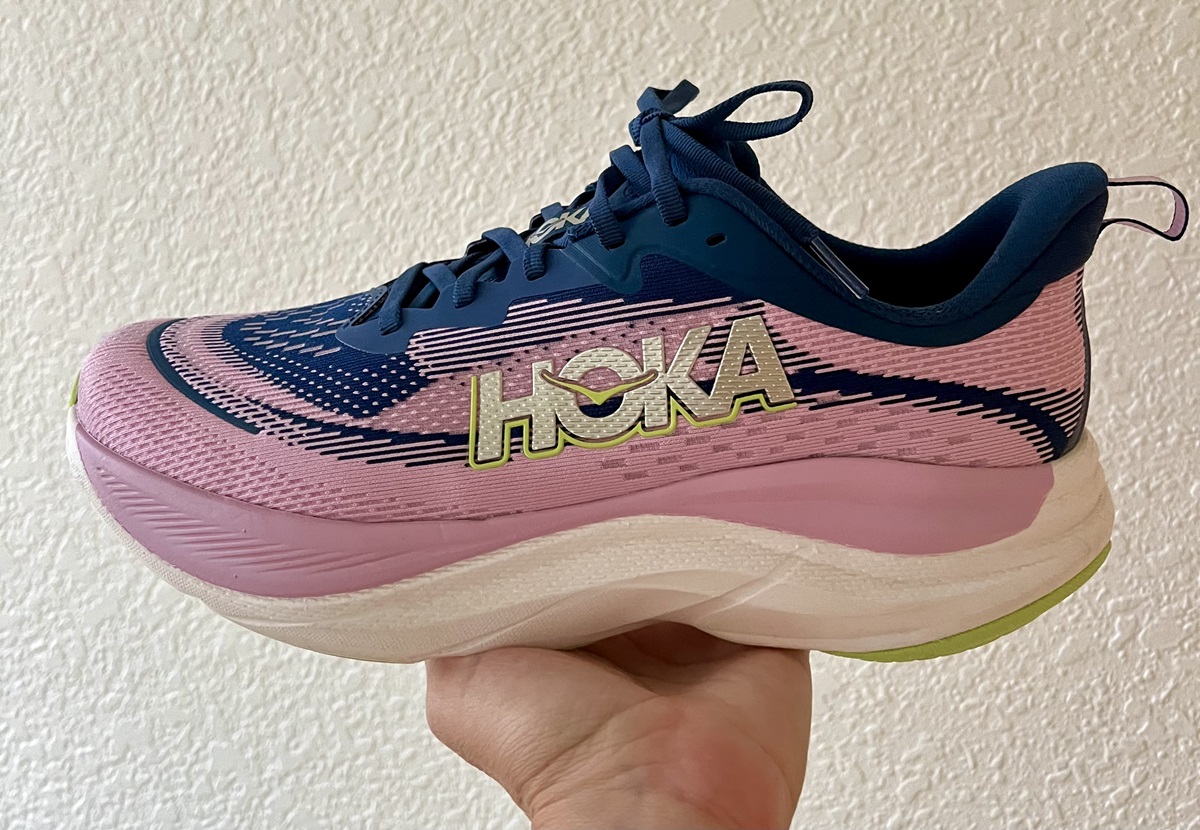
Don’t just grab for an old pair of shoes that you have lying around the house. Leave those for yard work days! Invest in a good pair of walking shoes so that your feet feel good the more time you’re spending power walking.
You want something that is both comfortable and cushioned, as well as supportive. As you walk, your foot may roll inward or outward, therefore the shoe’s support should accommodate that.
Here are our picks of the 7 Best Walking Shoes in 2025>>
Need something with a little more room? Check out our list of the best walking shoes for wide feet.
How Much Should You Walk Per Day?
The Centers for Disease Control and Prevention suggests that individuals aim for 150 minutes of moderate-intensity physical activity per week, or approximately 20 minutes per day.
If you just have a small amount of time to exercise, go for a 20-minute power walk. This style of walking will allow you to burn more calories and tone your muscles in a shorter amount of time.
Depending on your walking speed, this might mean 20 minutes of walking will get you a minimum of 1 mile a day. However, there’s a lot of data pointing towards walking 5,000 to 10,000 steps a day. The number of steps in a mile will vary, but that’s roughly 3-5 miles a day.
If walking for weight loss is your goal, that’s going to mean consistently building on what you can do. Working up to that ideal average from the CDC and then, of course, adding our favorite, some strength training!
Meanwhile, going for a daily walk is nice to de-stress and move the body simply. Walking at a moderate speed helps the heart as well. You’ll also be able to clear your mind and refocus yourself.
If you can’t get walks in every day, here are a few ways to sneak in more steps:
- Take the stairs instead of the elevators
- Park farther away from wherever you’re going
- Schedule a short walk into your daily routine (even a super short walk makes a difference!)
- Walk errands if possible
- Take a phone call or meeting on the go by walking around your house or even neighborhood
We hope that these tips help you increase your walking speed. Before you know it, your regular walking pace will probably turn into a power walk.



 10 Best High Drop Running Shoes | Ideal for Achilles Or Ankle Mobility Issues