
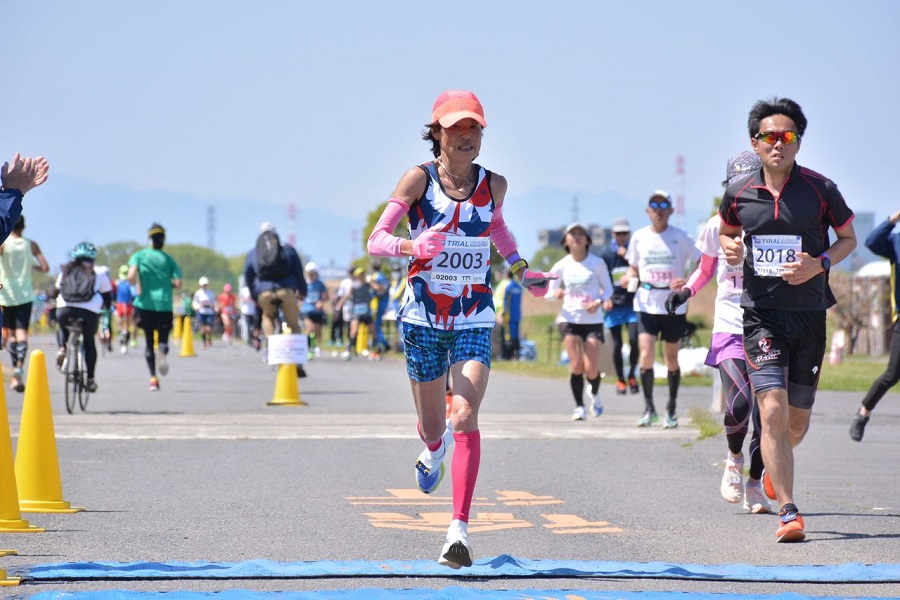
One of the best trends I’ve seen in my many years as a running coach is the trend towards more and more athletes running after 60. Whether they are just starting or are simply continuing to do something they love, we’re changing the idea of what we “should” do as we age.
As the years roll by, the significance of maintaining physical and mental wellness takes on greater importance. While the chronological clock keeps ticking, there’s a growing understanding that biological age can be shaped by lifestyle choices.
This realization has led countless individuals, well into their 60s and beyond, to don their running shoes and hit the pavement, trail, or track. The benefits of this pursuit are far-reaching, encompassing not only the realm of fitness, but also mental resilience and social interaction.
In this article, we’ll explore the myriad benefits that running offers, from strengthening the cardiovascular system to fostering a sharper mind.
Most importantly we will discuss the considerations that need to be taken in to account with planning a training schedule for masters athletes.
Whether you’re a seasoned runner seeking to continue your journey into your golden years or someone who’s contemplating taking those first steps, this guide will help you embrace the possibilities of running after age 60.

Benefits of Running After 60
Running beyond the age of 60 isn’t just a physical endeavor; it’s an investment in your well-being that pays dividends in ways that extend far beyond the pavement.
As we delve into the myriad benefits of running for seniors, it becomes evident that this isn’t merely an activity—it’s a lifestyle choice that can enhance physical health, bolster mental resilience, and foster vibrant social connections.
Dang I love this sport!
Cardiovascular Health
Running engages the heart, pumping life-giving oxygen to muscles and organs. For individuals over 60, maintaining cardiovascular health is paramount, as it reduces the risk of heart disease, lowers blood pressure, and improves overall circulation. A strong heart lays the foundation for an active and independent lifestyle.
Muscle Strength and Bone Density
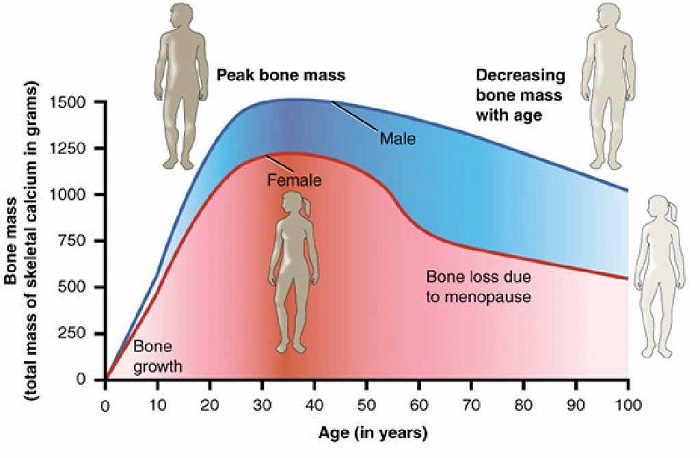
Running involves multiple muscle groups, effectively contributing to the preservation of muscle mass and bone density. This is particularly crucial as aging often brings the risk of muscle loss and osteoporosis. Running helps counteract these effects, contributing to stronger bones and a more resilient body.
Weight Management
The natural slowdown in metabolism that accompanies aging can lead to weight gain. Running provides an effective tool for weight management, helping to burn calories and maintain a healthy body composition.
Stress Reduction
Running triggers the release of endorphins, the body’s natural “feel-good” chemicals. These endorphins contribute to a reduction in stress, anxiety, and depression, promoting a more positive outlook on life.
Cognitive Function
Engaging in regular aerobic exercise, such as running, has been linked to improved cognitive function and a decreased risk of cognitive decline. Running stimulates blood flow to the brain, enhancing memory, focus, and problem-solving abilities.
Enhanced Mood
The sense of accomplishment that comes from completing a run, no matter the distance, can lead to a heightened sense of self-worth and happiness. Running provides an opportunity to set and achieve goals, fostering a sense of purpose.
Community and Camaraderie
Running doesn’t have to be a solitary pursuit—there’s a thriving community of senior runners who come together to share their passion. Joining local running clubs or participating in group events can provide a sense of belonging and camaraderie.
Running offers a platform for bonding over shared experiences and triumphs. The stories and challenges exchanged between runners can forge lasting friendships that enrich the social fabric of one’s life.
Embracing a Challenge Together
Training for and participating in races, whether virtual or physical, provides a common goal for seniors to work towards. The journey towards a race day can be as rewarding as the event itself, fostering teamwork and mutual support.
Great now we know why older runners are embracing the sport, let’s get in to the nitty gritty of the how, what’s different and what you need to know.
Considerations Before Starting
I’d be remiss in my job as a coach if I didn’t give you some guidelines to consider before you jump in to running after 60. Which is not to say that you can’t or shouldn’t, but that we just want to be smart.
1. Consultation with a Healthcare Professional
It’s advisable to consult with a healthcare provider before beginning any new exercise regimen, especially if you have pre-existing health conditions or concerns.
A healthcare professional can assess your overall health and provide insights into any specific precautions or modifications you should consider based on your medical history.
A few common considerations:
- Arthritis and Joint Health: If you have arthritis, consider running on softer surfaces like trails or using well-cushioned shoes to reduce impact on joints. Remember that running will NOT make arthritis worse and in some cases actually helps to further lubricate the joints of your knees.
- Osteoporosis: Incorporate weight-bearing exercises like running to promote bone health. Remember that high-impact movements can help to build bones, but we want to undertake them with proper precautions.
- Heart Health: Individuals with heart conditions should work with their healthcare provider to establish safe heart rate zones and exercise intensities. Standard HR zones may not be the best fit, so get an understanding of what’s ok for you.
- Past Injuries: Assess any current or past injuries that might start out as limitations. Work with a Physical Therapist to strength those areas.
- Supplements and Medications: Ask about timing of these related to your workout. Some (even Vitamin D) when taken before a run can result in an upset stomach.
2. Realistic Goal Setting
This applies to all runners, but let’s be honest as we age it’s sometimes hard not to look back and think “I used to be able to do X”.
It’s essential to set realistic goals that match your current fitness level. Begin with shorter distances and slower paces to allow your body to adapt gradually. This also makes the whole process more enjoyable because you aren’t pushing too hard or getting frustrated.
3. Invest in Good Gear
It’s worth heading to a running store to find the shoes that fit you best, providing enough cushion and support. You don’t need the softest shoes ever, but you should find something that feels good.
Studies have shown that how a shoe feels is much more important than most of the other features. So put it on and jog around outside (yes stores absolutely allow that!!).
Your everyday shoes or what you’ve been wearing to mow the lawn, is likely broken down which means it’s going to change your footstrike. We want to give you the best chance of avoiding injuries!
Some of my top picks for a good amount of cushion as a daily trainer:
This is also a great time to get some running clothes too. Look for dri-fit materials, a good sports bra, and socks. Dressing for the weather can make the experience that much more enjoyable.
How to Start Running After 60
Fantastic, now they we are cleared for running, let’s dig in to the process to follow!
Designing a running program tailored to your age, fitness level, and goals is a critical step in ensuring a safe and enjoyable running experience. As you embark on this journey after the age of 60, a well-structured program will help you gradually build endurance, improve fitness, and reduce the risk of injuries.
What you may notice here is that running into your 60’s is going to involve a lot more than just a running schedule.
1. Spend More Time Warming Up
I’m the queen of enforcing a warm up routine at every age, but the older we become it increases in importance. It takes a little bit longer for our body to adjust to movement and not feel quite so stiff.
Always begin with a 5-10 minute warm-up that includes dynamic stretches and light aerobic exercises like lunges. This prepares your muscles and joints for the upcoming activity. It also keeps your heart rate from spiking when you start running!
- Checkout these pre-run stretches for ideas (Remember no holding long stretches)
- Walk for 5-10 minutes
- Ease in the first mile with a very easy pace
2. Find a Entry Level Progressive Plan and FOLLOW IT
Initially, I really like to focus on time rather than distance initially. Aim for 20-30 minutes of continuous activity and then gradually increase the duration by a few minutes each week.
During that time you may initially be working on power walking. Building up to walking a 15 minute mile.
Then shifting in to run-walk-run. Which means using a structured practice of time running, time walking. It may start as 1 min run, 1 min walk!
3. Strength Training
Incorporating strength training into your running program after the age of 60 is not just beneficial; it’s essential. Strength training helps maintain muscle mass, improve bone density, enhance joint stability, and prevent age-related muscle loss. It also supports overall functional fitness, making daily activities easier and reducing the risk of injuries.
We begin losing muscle at age 30, so without actually lifting weights you will keep getting weaker!
If you’re new to bodyweight or weight training, don’t be afraid to consult a personal trainer to ensure proper form and technique. Often you can get just a couple of sessions at the gym to get you started and ensure you feel comfortable.
- Aim for 2-3 days of strength training per week, on non-consecutive days, to allow muscles adequate recovery time.
- Consider scheduling strength sessions on days when you’re not running, ensuring you have enough energy for both activities.
- Start with our 8 week bodyweight strength course to develop your base strength which is going to prevent running injuries.
- Then progress to lifting weights, as this is required to actually build muscle.
4. Work on Balance and Flexibility
Maintaining good balance and flexibility is paramount for older athletes, as it directly influences movement efficiency, reduces the risk of falls, and supports overall mobility.
As we age, several factors contribute to a decline in balance and flexibility, including changes in muscle elasticity, joint mobility, and the body’s proprioceptive abilities (sense of body position).
Some easy ways to work on this:
- Yoga: Gentle yoga poses can enhance flexibility and balance. Moves like the tree pose and warrior series focus on balance and stretching.
- Tai Chi: This martial art emphasizes slow, flowing movements that improve balance, flexibility, and overall body awareness.
- Single-Leg Stands: Practice standing on one leg for a period of time to improve balance. Use a chair or wall for support if needed. This is actually a great predictor of longevity as well!
- Heel-to-Toe Walk: Walk in a straight line, placing your heel in front of the toes of the opposite foot with each step. This challenges balance and proprioception.
- Toe Touches: Gently bending forward from the waist can improve hamstring and lower back flexibility. Avoid bouncing and only go as far as comfortable.
- Hip Flexor Stretch: Stretch hip flexors by lunging forward and gently pushing the hips forward while keeping the back leg extended.
5. Plan For Recovery
One of the things that has changed with age is your ability to recover. That means it’s up to you to make smart choices, so that your muscles are better able to repair after each session leaving you feeling strong and ready to tackle the next workout.
- Get consistent with refueling within 30 minutes of a workout (this must include protein)
- Take your rest days
- Plan for more time between harder workouts or longer runs
- Invest the time to take an epsom salt bath, get a massage, use your massage gun, use the foam roller
- Don’t stress a ton about stretching, but spend some time on mobility and keeping loose if you feel stiff (moving more all day can help with this)
6. Don’t Be Afraid to Push Hard
On the flip-side of taking enough recovery is also letting go of the fear to push hard. There’s an idea that because we’ve gotten older “we need to take it easy”.
The data doesn’t support that! Instead, it supports a smart training plan with easy days and some hard days.
We lose more of our fast twitch muscles with age, so it’s important to integrate speed workouts and even beginner plyometric workouts. These will start off slow and build gradually, just like the rest of the training plan.
7. Optimize your Nutrition and Hydration
One of the interesting things that happens with age is we often lose our appetite and our thirst signals. Which means you may easily be dehydrated or underfueled for your workouts.
Both of these are going to make everything feel harder and we don’t need that!!
While you know that you need a balanced diet with plenty of fruits and vegetables for nutrients, don’t forget the protein. Adequate protein consumption is essential for muscle repair and maintenance. Incorporate lean sources of protein like poultry, fish, legumes, and dairy products into your meals.
Especially during longer runs or hot weather, consider beverages or snacks that provide electrolytes: sodium, potassium, and magnesium to maintain proper fluid balance.
In doing so, you will feel stronger, get faster and improve your endurance as well.
Here’s to setting new running goals that you can continue to chase at an advanced age (meaning I assume you’ll still be doing this for decades to come!!).
Truly, I cannot recommend enough getting access to a 1:1 running coach so that you can chase your goals safely….and not waste time on mistakes that cause injuries. We’re well versed in training masters runners.
✅You can even join our Virtual Run Club for access to all 11 running coaches and courses!
Other ways to connect with Amanda
Instagram Daily Fun: RunToTheFinish
Facebook Community Chatter: RunToTheFinish
Sign Up to Receive a Weekly Newsletter with Top Running Tips and Laughs



 Running Pain vs Discomfort: The Runner’s Dilemma