

Ever wonder what the most important thing is to do post run? Eat? Stretch? Foam roll? Shower???
Fret no more, as a running coach I’m going to walk you through what matters, what you can do later, and what you may not have to do at all.
If you’re anything like me the post-run cooldown is dashing into the house, grabbing my green smoothie, hoping to swallow some before hopping into the shower, and then bounding out of the shower trying to dry my hair while still sweating.
It’s a real treat.
Of course, then I started working from home and just skipped the whole shower thing to go straight to my computer and clack away at the keyboard for a few hours before realizing “I’m disgusting”. But the cats have never once complained and as a result, you get articles like this.
What To Do After a Run? Best Post-Run Routine for Runners
However, a few years ago I started to wonder if I was shortchanging my runs by ignoring that post-workout cooldown period. I mean I always walk for a few minutes when I stop running, but that’s about it.
What do we need to be doing and will it make us better runners?
Studies have disproved the theory that it helps prevent delayed onset muscle soreness, so can we just blow right by it and be all good? Maybe not.
But we are learning some really new and interesting things about down regulating your nervous system.
Particularly after you’ve done a hard interval workout or a long run, the cool down increases in importance. By taking that time to help your body move out of stress, you will actually speed up recovery and stop yourself from staying in heightened levels of cortisol.
In order of importance, here’s how to best spend your post-run time.

#1 Cool Down to Lower Heart Rate
When to do it: Immediately after a run
Turns out I intuitively knew that my walking after a run was a good idea. If you go from your run, immediately to a dead stop and then on to your chores, you are missing out on the benefits of that cooldown walk.
Just as a dynamic warm-up routine prepares your body for a run, a cool-down returns your body to its resting state. A cool-down will assist your breathing and heart rate to slow down, as well as relax your muscles.
By promoting blood flow to certain places, a cool-down also assists your body in eliminating lactic acid and waste products from your muscles.
- The blood which was pumping so hard can quickly pool in your feet which might be why sometimes you start to feel lightheaded or nauseous. Keep moving for a bit.
- Your HR needs a minute to come down as well and all that bustling about isn’t quite getting you there.
- You want to tell your nervous system that it can now relax and start repairing. This is the down regulation we discussed above.
Once again this is me telling runners everywhere to stop thinking of walk as a four-letter word. I mean it is, but dang it you know what I mean. Check out this post on how that extra time on your feet translates to better running!!
Mental Benefits of Staying in the Moment
Possibly one of the biggest reasons to slow your roll (no foam rolling post run BTW!!) is simply to take a few more minutes to enjoy the feeling of accomplishment.
You need that connection between your hard work and the feeling to help you keep showing up day after day.
This could be part of why people enjoy group runs so much. After finishing there is the immediate reward of laughter, connection, and slowing down. For us solo runners, maybe that’s why we like talking about our workouts on social media so much!
# 2 Rehydrate to Restore
When to do it: Very soon, after getting back from a run.
Water is a vital component of the human body, constituting sixty percent of its weight and playing a vital role in nearly all of its processes. As a result, staying hydrated is essential.
It’s normal to be a little bit dehydrated when you get back from a run, as long as you drink as soon as you can.
Try to weigh yourself post-run right away and drink 16 to 24 ounces of water for each pound of bodyweight you lost. That roughly equates to 1.5 liters of water for every kilogram of body weight you lose due to dehydration.
But you don’t have to pay too much attention to the numbers as that’s a general recommendation. Drink to quench your thirst instead.
Based on a study published in the International Journal of Sports Nutrition and Exercise Metabolism, sports drinks that contain carbohydrates also increase water absorption into the bloodstream.
So, if you’re feeling very thirsty, it would be a good idea to sip on some juice that has been diluted or a homemade sports drink.
Plain water is an excellent option if you’ve been jogging for less than an hour, but if you’ve been out there longer, you’ll also need to replenish your electrolytes.
Drinking a sports drink or eating a meal or snack that contains salt, either alone or in combination with salt, is one way to achieve this goal. Remember there is more to electrolytes for runners than that, and educating yourself about it is incredibly important.

#3 Refuel to Begin Repair
When to do it: 30 minutes to 1 hour post-run
How quickly you need to refuel depends upon a few key things:
- If you ran fasted, you need to refuel with a nutrient-dense meal more quickly to prevent muscle breakdown
- If you did a long run without much fuel the same applies
- If you ate before a run of under 1 hour, you can usually wait longer to be refueling
- If you ate before a short but intense session, you can usually wait longer
Do NOT wait just because you aren’t hungry.
It’s a common issue for long-time runners, but you are delaying the recovery process by not giving your muscles nutrients, protein, and carbs to repair.
The sooner that process begins, the better chance you have of a great run the following day.
BONUS TIP!!! Try using Core Power for your refuel.
This way you are tackling both the hydration and that protein need right away, while avoiding the issue of “not being hungry.” Unfortunately for many runners, they allow the not being hungry to derail this truly important refuel window.
Core Power drinks are lactose free and have either 26 or 42 grams of high quality milk protein. They’ve been part of my routine for over 4 years now and I have no plans to stop using it.
Had to share this because I swear so many of you that I’ve turned on to Core Power told me you started doing this in your routine!!
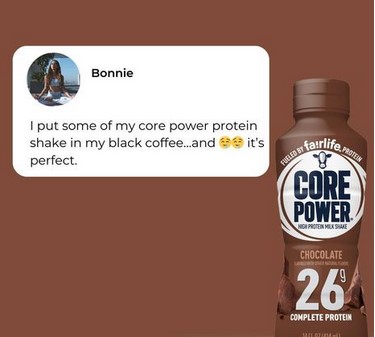
Like many of you I struggle with not being hungry, but have seen the massive benefits to recovery by making it a priority. Plus, since these are shelf-stable I can leave it in the car or toss it in my trail bag and it’s ready to go.
Are Carbohydrates the Best Post-Run Recovery Meal?
Runners tend to focus too heavily on carbohydrates, when in fact we need to focus on high-quality nutrient-dense food and protein.
Eating fruits and vegetables means you’re immediately getting those carbohydrates. While focusing on a good protein source means you are ensuring that those long miles are not breakdown and using muscle for fuel.
- This is why many runners love a green smoothie
- Chocolate milk is also a good option (I prefer Core Power which is lactose free and higher in protein)
- These 29 post-run meals are proven to help you begin recovering.
A general rule of thumb is to go for a 1:4 ratio of protein to carbohydrates post-run for recovery. This will help to refill glycogen stores so you have energy for the next run and provide the protein that will help with muscle repair.
And if you tend to finish long runs with a beer, check out the impacts of the post-run beer.
#4 Change and Clean Up
When to do it: 30 minutes to 1 hour post-run
If you have any issues with face or body acne, you want to get on this quickly. Keeping on sweaty gear is one of the primary causes of body acne, while clogged pores on your face are a quick way to lead to a breakout.
When we’re out on the trails, I bring along body wipes and a bottle of water just to wash off my face. That way I know I won’t spend the next few hours as we hang out and drive home with the dirt on me.
Here’s my full workout acne prevention guide.
#5 Muscle Recovery Techniques
When to do it: Sometime during the day
Were you surprised to see stretching wasn’t the first thing on the list? I think it’s a great thing to do, but not the immediate priority in many cases.
In fact, some would argue that stretching is far less important than other recovery methods. In general, I find that most runners who sit the rest of the day benefit from spending some time stretching, rolling, or having a post-run mobility routine.
The reason I don’t recommend foam rolling immediately post-run is that it can make the inflammation from the workout worse. Partially because we’re in a hurry and thus rushing through, but also because we’re adding pressure to a muscle that’s currently trying to repair.
Simply set aside some time and pick any of these to consistently help your body recover.
- Best post-run stretches
- Epsom salt bath– yup NOT an ice bath
- Foam rolling guide for runners
- Massage guns for runners– a different way to relax muscles than the foam roller
- Mobility workout for runners— now being seen as more beneficial than traditional stretching
#6 Post-Run Stretch Resources
When to do it: When you feel like it.
Honestly the data does NOT in any way support that you must do a full post run stretching routine. HOWEVER, that being said, stretching is not just a mechanical exercise. It’s an opportunity to connect with your body and listen to its needs. As you stretch, pay attention to any areas of tension or discomfort.
Use this time to release any emotional or mental stress that may have accumulated during your run. Stretching is not just about physical recovery, but also about finding balance and harmony within yourself.
Apart from general post-run stretches, it’s important to also analyze your own body’s specific needs and then find ways to recover properly post-run.
If you have tightness in your IT band or need to do some IT band stretches, then adding that to your post-run stretching routine is essential.
Similarly, muscle soreness can be addressed according to major muscle groups and you can do a hamstring stretch, calf stretch, hip flexor stretch, quad stretch, or focus on your glutes and hips.
#7 Get Deep Sleep at Night
When to do it: Every night
A good night’s sleep is essential after a long, hard run or race. Your body requires significant recovery and repair time. In fact, the National Sleep Foundation advises getting at least eight hours of sleep each night for your general health.
This means that you should make it a habit to go to bed and wake up at times that will let you get eight hours of sleep even on days you don’t go out for a run.
According to a Stanford University study that was published in the journal Sleep, the goal for running athletes should actually be for them to get more than eight hours of sleep per night.
Athletes who got more than seven to nine hours of sleep every night improved their sprint times and performed better on response tests.
However, regardless of how many hours of sleep you receive, it is necessary to prioritize quality of sleep above anything else.
This means that developing a schedule that enables you to get deep sleep is essential for absorbing the demanding training efforts required to get faster and stronger, especially during peak training.
Your quality of sleep also has a significant impact on your ability to perform at your absolute best.
#8 Active Post-Run Recovery
When to do it: Day after a hard workout
An active recovery session the day after a long run can help you recover faster post-run.
Low-intensity exercise sessions that get your body moving are known as active recovery workouts.
Yoga, gentle pilates, walking, aqua jogging, easy swimming or cycling, or even low-intensity shorter runs are a few examples of active recovery workouts.
Contrary to popular belief, active recovery is sometimes more helpful for recovery than doing nothing at all.
This is so that your muscles can receive nutrients from your bloodstream as your body repairs itself after activity. It also helps improve range of motion, minimize the buildup of lactic acid, and improve muscle tension issues.
As a result, anything that makes more blood pumping through your muscles will enhance recovery as long as it’s light to moderate intensity and doesn’t hinder recovery.
But always remember, this is never a replacement for an actual rest day. Rest days are incredibly important and that should always be part of your running routine to ensure adequate rest. Rest will also help prevent common running injuries.
#9 Customize Your Routine
I’ve added everything I recommend to the perfect post run routine here, but every runner is unique, which means that you’ll have to find the right combination for you. Your routine can change based on the distance you’re running or even where or when you’re running.
Once you have the basic routine down, I highly recommend adapting it to fit your individual needs. Read the next section for ideas on how you can do that!
How to Customize Your Post-Run Routine
Every runner is unique, and it’s important to tailor your post-run routine to suit your specific needs. Let’s explore how you can do that based on the distance you run and your running style.
Adapting Routine Based on Distance
When it comes to running, the distance you cover plays a significant role in determining the intensity of your post-run routine. If you’re running shorter distances, such as a 5K, a more condensed post-run routine may be good enough.
Focus on a thorough cool-down, some light stretching, and hydration. This will help your body recover from the exertion and prevent any muscle tightness or cramps that may occur after a brisk run.
However, for longer distances, like a marathon, you’ll need to allocate more time for recovery. The physical toll of running such a distance requires additional attention to ensure proper healing and reduce the risk of injury.
In addition to a cool-down and light stretching, consider incorporating foam rolling into your routine. Foam rolling helps release any muscle tension and promotes better blood circulation, aiding in the recovery process. Plus, make sure to refuel your body with a more substantial meal to replenish the energy stores depleted during the marathon.
Adjusting Routine Based on Running Style
Adapting your post-run routine based on your running style is equally important. Different running styles place varying demands on your body, and addressing these specific needs can enhance your overall performance.
For example, if you’re a trail runner who enjoys tackling rugged terrains, you may need to incorporate more ankle strength exercises and foam rolling to address the impact of uneven surfaces. This will help prevent any muscle imbalances or tightness that may arise from navigating challenging trails.
On the other hand, if you’re a sprinter who thrives on explosive bursts of speed, your post-run routine will absolutely need to focus on calming the central nervous system and working through your full range of motion.
Remember, your individual running style and preferences can greatly influence your post-run routine.
It’s important to listen to your body and make adjustments accordingly. Experiment with different stretches, recovery techniques, and nutritional strategies to find what works best for you.
What About Post-Run Supplements?
While I do rely on things like protein powder, there is no true requirement to take a supplement after your run to help recovery. We always want our first focus to be on the whole foods that are going to help our body repair.
That being said a few that have become part of my routine:
- CBD to help recovery
- Magnesium to help prevent muscle issues
- Electrolyte powder for runners – a key part of keeping me running strong
- Turmeric to fight inflammation
- Protein powder for runners – to help ensure I get enough protein
Conclusion on the Post Run Cooldown?
Is it the end of the world if you don’t cooldown? Only if you get dizzy, pass out and your cats eat you. But that’s just a personal fear of mine, so for the most part no.
However, just because it isn’t horrible, clearly doesn’t mean it’s the best choice. You’re an athlete in training whether for a race or life and so you might as well take it seriously enough to get the most out of your body.
Why keep trying to improve if you aren’t willing to do a few little things that take 10 minutes? Seems like a no-brainer win-win situation to me.
Other ways to connect with Amanda
Instagram Daily Fun: RunToTheFinish
Facebook Community Chatter: RunToTheFinish
Sign Up to Receive a Weekly Newsletter with Top Running Tips and Laughs



 How to Carb Load + 9 Common Mistakes to Avoid
Love my epsom salt baths!